For 2024-2026, there are important developments in Dutch legislation regarding electric fatbikes. Although the basic rules remain unchanged, there has been more clarity on classification and plans for additional measures. These regulations distinguish between fatbikes considered regular e-bikes and those classified as motorized vehicles. The changes are intended to improve safety and provide clarity for users of these popular bikes.
Free delivery in NL and BE
Tested best in the Netherlands & Belgium with 8.5 and 8.2 by Fietstest.nl, Het AD and HLN
What are the new rules for fatbikes in 2024-2026?
What are the new rules for fatbikes in 2024-2026?
You'll find this in the article
- What are the current rules for fatbikes in the Netherlands?
- What speed restrictions apply to electric fatbikes?
- Is a helmet mandatory on a fatbike?
- Laurens' tip: Safety above all else
- From what age can you ride an electric fatbike?
- From what age can you ride an electric fatbike?
- Where are you allowed to ride a fatbike according to the rules?
- From design to production
- STOER Bikes: your partner for responsible fatbike use
What are the current rules for fatbikes in the Netherlands?
The regulations surrounding fatbikes have been clarified in recent years. The Dutch government has established a clear framework to regulate these increasingly popular vehicles. The rules focus on five key areas: speed limits, classification, usage requirements, age restrictions and where you are allowed to ride.
Fatbikes that fall within the e-bike category must comply with pedal assist up to a maximum of 25 mph, with no throttle and no ability to "boost. Fatbikes that do not comply are now more strictly classified as motorized two-wheelers, which has far-reaching implications for use requirements.
These new rules apply to both riders and sellers of fatbikes. If you buy a new electric fatbike, it is important to check whether it meets the legal requirements for e-bikes, or if you will have to deal with the more extensive rules for motorized vehicles.
Want to know more? Then read our blog about Whether it is legal to ride a fatbike without pedaling
What speed restrictions apply to electric fatbikes?
Clear speed limits have now been set for electric fatbikes, depending on the type. Fatbikes that are considered regular e-bikes are allowed to have a maximum assisted speed of 25 mph. This support may only work when the rider is actively pedaling - pure pedal assistance, in other words, with no throttle.
Fatbikes with throttle controls or that can go faster than 25 mph fall into a different category. These are considered mopeds or even light motorcycles, which are subject to additional rules. These include helmet requirements, insurance obligations and a minimum age of 16.
The consequences of violating these speed rules are not amiss. Not only do you risk fines that can amount to hundreds of dollars, but also confiscation of your fatbike if it has been souped up or does not meet classification requirements. In addition, your insurance may refuse to cover damages if it turns out you rode a souped-up or non-compliant fatbike.
We ensure that our electric fatbikes meet all legal requirements with a maximum speed of 25 km/h, no throttle and no possibility of boosting. So you can enjoy your ride carefree without worrying about fines or other problems.
Want to know more? Then read our blog about rules and regulations regarding fatbikes
Is a helmet mandatory on a fatbike?
The helmet requirement for fatbikes depends on the classification of your fatbike. For electric fatbikes that meet e-bike standards (maximum 25 km/h pedal assistance, no throttle), a helmet is NOT legally required under current law. However, it is highly recommended for your own safety.
For fatbikes classified as mopeds or light motorcycles, a helmet will indeed be mandatory as of 2024. These helmets must meet ECE 22.05 or newer safety standards. An ordinary bicycle helmet is not sufficient for this category of fatbikes - you need an approved moped or motorcycle helmet.
Important development: The government has announced plans for a helmet requirement on fatbikes and other e-bikes for young people under 18. However, this measure has yet to be approved by the House and Senate, so is not yet in effect.
Penalties for failing to comply with the helmet requirement can be as high as 140 euros per violation. In addition, riding without a helmet in cases where it is mandatory can affect your insurance coverage in the event of an accident.
Tip: Always choose a helmet that fits properly and meets safety standards, even if it is not required by law for your type of fatbike. Safety comes first!
Want to know more? Then read our blog about the helmet requirement for fatbikes
What are the main conclusions about the weight difference between drive systems?

"Purchased a STOER Bike last year after trying several fatbikes. STOER is by far the best! Still very much enjoy my purchase. In addition, the service is top notch!"

"The bike is perfect for people with long legs. Sitting comfort is perfect for long distances."

"We have been riding a Stoer bicycle for a year now without any problems. Even the battery capacity has not deteriorated. And when you then see other brands where after a year the rust marks are visible I am glad I spent a little more and now have a bike made entirely of aluminum. And this one stays really neat!!!"

Laurens' tip: Safety above all else
As an expert at STOER Bikes, I see daily the importance of proper education about fatbike rules. My advice is always: wear a helmet, regardless of whether it is mandatory. At STOER Bikes, we only supply fatbikes that fully comply with Dutch legislation - with force sensors, belt drive and a maximum speed of 25 km/h. This way you can be sure that you are safe and legal on the road.
Should you insure a fatbike?
The insurance requirement for fatbikes depends on the classification. Electric fatbikes that meet the requirements for e-bikes (pedal assistance up to 25 km/h, no throttle) fall under the bicycle category. There is NO specific third-party insurance required for this category, although proper private liability insurance (AVP) is always wise.
For fatbikes classified as mopeds or light motorcycles, third-party insurance is required by law as of 2024. At a minimum, this insurance must cover legal liability, which means compensation for damage to others in the event of an accident for which you are liable.
The cost of fatbike insurance varies widely depending on the type, value and classification of your fatbike. For fatbikes in the moped category, you can expect premiums starting at about 10 euros per month for basic coverage, rising to 30 euros or more for comprehensive coverage including theft and damage.
Driving without the required insurance has serious consequences. Not only do you risk fines as high as 400 euros, but in the event of an accident, you are personally liable for all damages - which can run into the thousands or even tens of thousands of euros.
Want to know more? Then read our blog about Whether a fatbike is legal
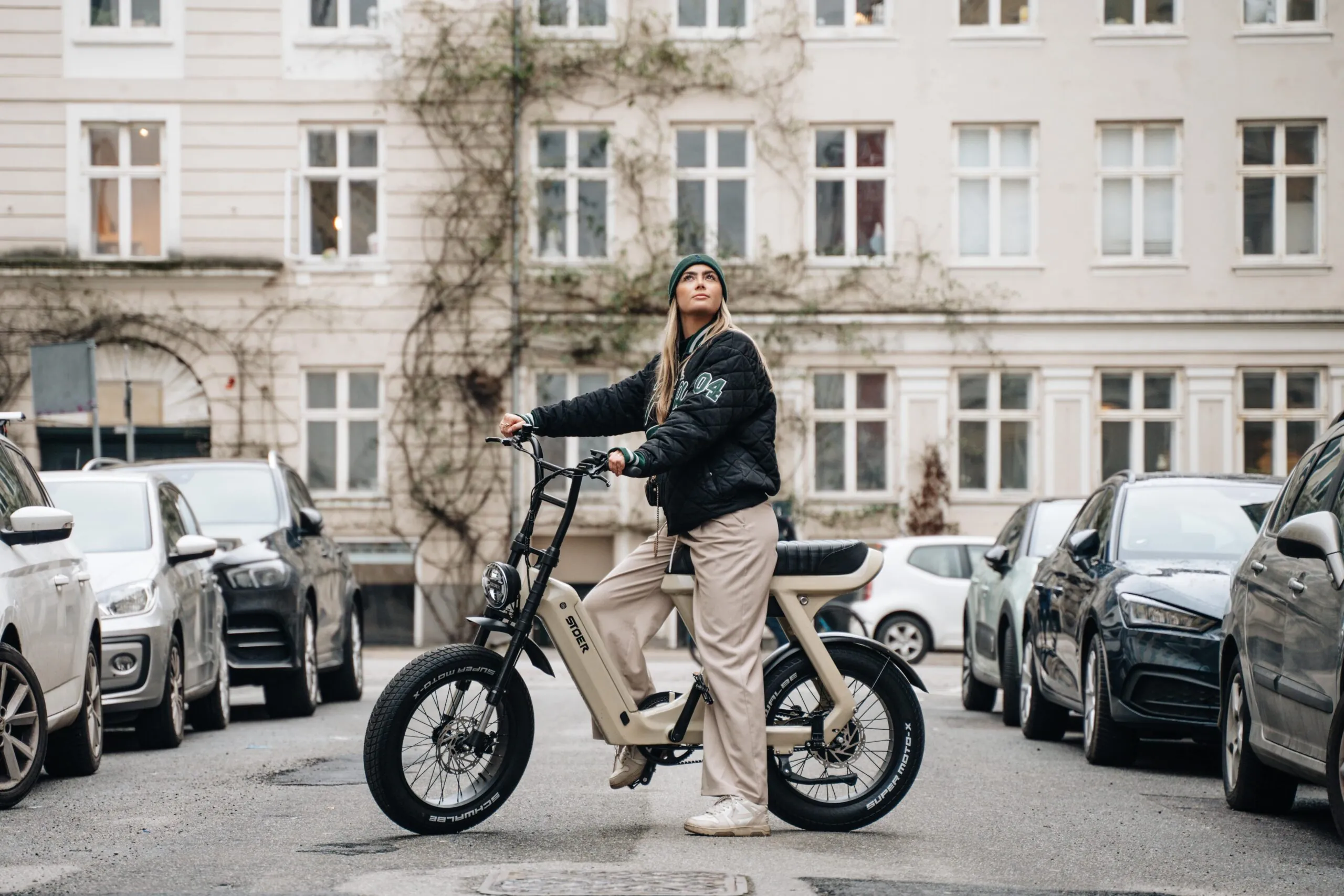
From what age can you ride an electric fatbike?
For fatbikes that fall within the e-bike category (with pedal assistance up to 25 km/h and no throttle), current Dutch legislation does not set a legal minimum age. So even younger children are in principle allowed to ride an e-fatbike, as long as they operate the bike safely.
However, fatbikes that fall under the moped or light motorcycle category do require a minimum age of 16. In addition, the driver must have an AM driver's license (moped license).
The government is working on plans to introduce a minimum age for fatbikes, but lawmakers have not yet set these new rules. Therefore, follow developments through official government channels.
Driving on public roads and driving on private property are distinctly different. On private property the legal age rules usually do not apply, but the owner of the property can set their own rules for this. On public roads, bike paths and in natural areas, you must always follow the legal rules.
Want to know more? Then read our blog about fatbike for adults
Where are you allowed to ride a fatbike according to the rules?
The rules clearly define where you can ride a fatbike. For fatbikes that fall under the e-bike category, the same rules apply as for regular bikes. This means you ride them on bike paths, bike lanes and regular roads where cycling is allowed.
If your fat bike falls under the moped or moped category, then in principle you do not ride on bike paths, unless a special sign indicates this. In that case, you usually use the carriageway or special moped paths.
Managers of nature reserves often set their own rules. In many nature reserves, they prohibit motorized vehicles, such as fatbikes classified as mopeds. With an e-bike fatbike, however, you are usually allowed to ride on trails accessible to regular bikes.
Zones where fatbikes often have limitations:
- - Pedestrian areas in city centers
- - Certain nature reserves and protected areas
- - Parts of recreational parks and beaches
- - School zones (local regulations)
It is always wise to check local regulations before exploring a new area with your fatbike.
Want to know more? Then read our blog about why a fatbike is ideal for the city
From design to production
STOER Bikes is all about design, innovation and quality. From our passion, we as founders have developed a bike that is powerful, reliable and stylish. From the first sketch to the final production we keep everything in our own hands to make every detail right. We work together with specialists, continuously testing and improving where necessary, so that each bike not only meets our high standards, but is also ready for intensive daily use. What started as an idea grew into a brand we are proud of and with which we show that riding electric can also be tough.
STOER Bikes: your partner for responsible fatbike use
With all the developments around fatbike rules, it is important to stay well informed. The main rule remains that fatbikes with only pedal assistance up to 25 mph are considered e-bikes, while models with throttle control or higher speeds are considered mopeds, with all the associated obligations.
For you as a fatbike owner, we have some practical tips for complying with all the rules:
- Check the classification of your fatbike and make sure you know which rules apply
- - Always wear a helmet, even if it is not required by law for your type of fatbike
- - Get the right insurance, at least a good liability insurance policy
- Comply with speed limits and drive responsibly, especially in crowded areas
- - Stay abreast of new legislative developments
we see the future of fatbikes in a positive light. The demand for electric bikes continues to grow, and people are increasingly looking for durable, powerful and stylish means of transportation. Electric fatbikes fit perfectly into this trend, with their combination of comfort, power and adventurous design.
Our models fully compliant with all regulations:
- - UrbanX (€2,999) - Best-tested fatbike of 2024 with Gates CDX belt drive
- - CityX (€2,999) - Perfect for urban use with low instep
- - CargoX (from €5,495) - The SUV among cargo bikes
We can help you enjoy your fatbike responsibly within the new legal frameworks. Our models are specifically designed to meet all regulations, with reliable pedal assistance up to 25 km/h, a durable belt drive and innovative safety features such as GPS tracking and immobilizer.
Whether you are looking for a city commuter or an adventurous trip, we will be happy to advise you on the best fatbike to suit your needs and the 2024-2026 regulations. This way you can stay carefree and safe on the road, completely within the framework of the law.
Want to know more? Then read our blog about 8 questions to ask before buying an electric fatbike


