Free delivery in NL and BE
Tested best in the Netherlands & Belgium with 8.5 and 8.2 by Fietstest.nl, Het AD and HLN

Is a more expensive electric fatbike worth the investment for daily business use?

A more expensive electric fatbike A more expensive electric fatbike is a worthwhile investment for daily business use due to its lower total cost of ownership over the life of the vehicle. These bikes offer significant tax advantages such as the small business investment deduction and environmental investment tax credits, while innovations such as belt drive provide less maintenance and longer life. For companies that regularly operate in urban areas, these bikes provide time savings, cost savings on parking and fuel, and contribute to a sustainable corporate image.


What makes an electric fatbike suitable for daily business use?

Electric fatbikes are great for daily business use thanks to their robustness, reliability and versatility. The wide tires ensure stability and comfort. Even when carrying heavier loads of up to 100 kg.

"Our business customers are always amazed at the stability," says Thomas of STOER Bikes. "You can really carry a lot without the riding getting heavy. Perfect for delivery services and companies that transport goods regularly."

One of the main advantages is the belt drive which is becoming increasingly common. Unlike traditional chain systems, a belt requires minimal maintenance. It lasts longer and operates almost silently. For businesses, this means less downtime and lower costs.

Impressive range: Modern electric fatbikes can easily cover 60-100 kilometers on a single charge. This means being able to go all work day without worrying about recharging. Models with removable batteries allow spare carry.

Unprecedented accessibility: Electric fatbikes offer accessibility in crowded city centers. While cars and vans increasingly encounter environmental zones and traffic restrictions, fatbikes can go virtually anywhere.

Electronic support ensures that employees arrive at their destination refreshed. Even after longer drive with load.

Want to know more about our business models? Then read our blog "What is the difference between a regular electric bike and an electric fatbike for business use?“

What are the tax advantages for companies when purchasing electric fatbikes?

Companies that invest in electric fatbikes can take advantage of various tax benefits. These significantly reduce purchase costs.

"Many business owners don't know how much tax relief is possible," says Thomas. "With all the schemes combined, you sometimes get as much as 60% of your investment back. That suddenly makes fatbikes very affordable."

Small business investment allowance (KIA): One of the most important regulations. This deduction applies to investments between €2,400 and €332,994. Can add up to 28% of investment amount you can deduct from profit.

Environmental Investment Allowance (MIA): Electric fatbike often qualifies for MIA. Provides additional deduction percentage on top of regular depreciation. Can be as high as 45% for most environmentally friendly investments.

VAT benefits: VAT on purchase can be fully reclaimed in case of business use. In addition, you can write off fatbike at an accelerated rate. This ensures lower taxable profits in first years.

Company bicycle: There are favorable arrangements for employers who make electric fatbikes available to employees. When also used privately, an additional tax rate of only 7% recommended retail price applies. Considerably lower than additional tax liability for cars.

Want to know more about tax opportunities? Then read ous blog "KIA fatbike: 28% investment return for businesses“

Is a more expensive electric fatbike worth the investment for daily business use?

How do subsidies for electric company bicycles differ by country in Europe?

The subsidy schemes for electric company bicycles differ greatly from one European country to another and from one region to another. This makes thorough research and preparation important.

"So subsidies can really make a difference," says Thomas. "One German customer received €2,500 through JobRad, whileNetherlands often offers higher subsidies and, in addition, local schemes."

Netherlands: Local subsidies encourage sustainable commuting on the one hand and business mobility on the other. Municipalities provide purchase subsidies of up to €2,000 as well as additional support. Rotterdam and Amsterdam have specific programs for sustainable commuting.

Belgium: Very favorable system because bicycle lease plans are deductible up to 120% and also attractive. Employees receive tax-free bicycle reimbursement so up to €0.25 per kilometer and also encourage commuting.

Germany - JobRad program: Employers lease bikes and in addition, employees benefit. Tax benefits thus reach 40% of purchase price and in addition there are local subsidies, especially aimed at electric cargo bikes.

France - Plan Vélo: Ambitious program with subsidies of up to €2,000 and additional tax benefits. Companies benefit on the one hand from the purchase of a bicycle fleet and on the other hand from the installation of charging points and secure parking facilities.

So to take full advantage, research national and moreover local subsidies. So do this before you invest and moreover decide on an electric fatbike.

Want to learn more about international opportunities? Then read our blog "Fatbike law changes 2025: what do you need to know?“

What are the advantages of leasing versus buying electric fatbikes for businesses?

Leasing electric fatbikes offers companies significant financial flexibility compared to direct purchase. Different options each have their advantages.

"More and more companies are opting for leasing," says Thomas. "Operational leasing works especially well. No hassle with maintenance, predictable costs, and you can easily upgrade to newer models."

Operational leasing benefits: Bicycles remain on balance sheet of leasing company. Working capital is not tied up in operating assets. Monthly lease costs fully deductible as a business expense. Tax advantageous.

Maintenance, insurance and sometimes roadside assistance often included in lease package. Provides predictable monthly costs. Eliminates unexpected expenses for repairs. Important plus especially for premium fatbikes with belt drives.

Financial lease middle ground: Bike eventually becomes company property. Investment spread over several years. Attractive to companies that want to use fatbikes long-term. Want eventual ownership without immediate full purchase price.

Direct purchase benefits: Immediate owner with full control over use. Any modifications to bike possible. Take advantage of tax benefits such as KIA and MIA. With leasing, these often go to leasing company.

Comparison chart:

AspectOperational LeaseFinancial LeaseDirect Purchase
Impact on balance sheetOff-balanceOn-balance (loan)On-balance (investment)
PropertyLeasing companyFinal companyDirect company
MaintenanceUsually includedFor your own accountFor your own account
Tax benefitsLease terms deductibleDepreciation + interestKIA, MIA, accelerated depreciation

For startups and growing companies, leasing is often most practical option. Established companies with healthy cash flow may benefit more from direct purchase.

Want to know more about different options? Then read our blog:"E-fatbike VS E-bike, what are the differences?“

What are the main conclusions about the weight difference between drive systems?
"The bike is perfect for people with long legs. Sitting comfort is perfect for long distances."
"Purchased a STOER Bike last year after trying several fatbikes. STOER is by far the best! Still very much enjoy my purchase. In addition, the service is top notch!"
"We have been riding a Stoer bicycle for a year now without any problems. Even the battery capacity has not deteriorated. And when you then see other brands where after a year the rust marks are visible I am glad I spent a little more and now have a bike made entirely of aluminum. And this one stays really neat!!!"

How do you calculate the ROI of an electric fatbike for business use?

Calculating Return on Investment starts with an inventory of costs on the one hand, and calculating savings on the other. This gives a clear picture and insight into financial benefits.

"ROI calculation shows why investing is smart," says Thomas. "So customers are surprised, and what's more, they often see quick paybacks, usually within 12 to 24 months."

Step 1: Determine initial investment
Calculate purchase price minus subsidies and in addition tax benefits. So for premium fatbike investment is between €3,000 and €7,000, depending on model and specifications.

Step 2: Transportation cost savings
Compare cost of car and van (fuel, parking, tolls, maintenance) with lower cost fatbike. Electricity is cheaper and maintenance minimal. In cities you save €0.30-€0.50 per kilometer.

Step 3: Calculate time savings
Important and also often underestimated advantage: fatbike drives 30-40% faster than car. You avoid traffic jams and moreover park closer. So convert labor hours and moreover multiply by hourly rate.

Step 4: Lower maintenance costs
Fatbike with belt drive thus requires 50-70% less maintenance and also saves hundreds of dollars. Premium components thus ensure longer life and also longer depreciation period.

ROI formula: ROI = (Total Savings - Initial Investment) / Initial Investment × 100%

So, for typical business user, payback period is about 12-24 months and moreover, every trip thereafter provides positive returns.

Want to know more about cost savings? Then read ous blog "10 advantages of fatbikes for daily use in the city“
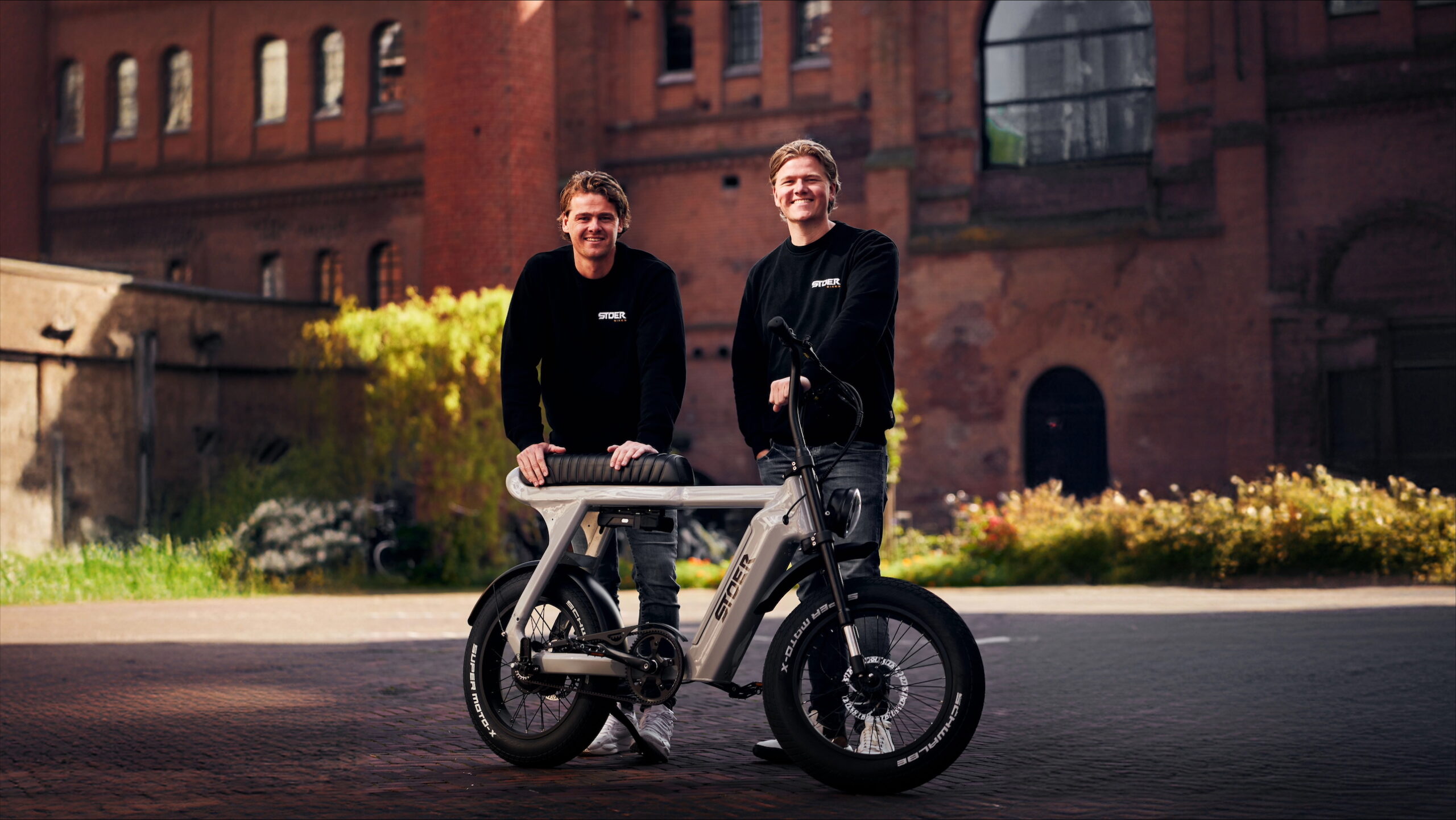
What are the main considerations when investing in more expensive electric fatbikes?

When considering investment in premium electric fatbikes, total cost of use is more important than purchase price. This ultimately determines the value of your investment.

"More expensive models are often cheaper in the long run," says Thomas. "Our UrbanX costs more to buy, but lasts much longer. Fewer repairs, less downtime, lower overall cost."

Total cost of ownership (TCO): More expensive models often offer superior components that last longer. Powerful Bosch or Shimano motors and high-quality batteries with longer life. These ensure fewer breakdowns and lower maintenance costs.

Reliability crucial: Failure means not only repair costs, but also missed appointments and possible lost sales. Premium electric fatbikes offer better warranty terms and service packages. Reduces risk of costly downtime.

Practical applicability: Evaluate within your specific business activities. Consider payload (typically up to 100 kg), range (60-100 km per charge), options for customization such as company branding.

Sustainability benefits and image: Hard to monetize, but increasingly important. Fleet of electric fatbikes demonstrates commitment to sustainability. Can contribute to customer loyalty and positive brand perception.

Ergonomics and ease of use: Adjustable saddle positions, intuitive operation and comfortable riding position. Ensures that employees like and use fatbikes efficiently. Increases acceptance and return on investment.

At STOER Bikes, we understand that electric fatbike is important investment for business. That's why we offer models specifically designed for intensive business use. With innovative features such as belt drive for lower maintenance costs and longer service life.

Want to know more about our business models? Then read our blog "8 Main differences between entry-level and premium fatbikes“