Free delivery in NL and BE
Tested best in the Netherlands & Belgium with 8.5 and 8.2 by Fietstest.nl, Het AD and HLN

8 Main differences between entry-level and premium fatbikes

The popularity of fatbikes in the Netherlands is rising rapidly. And not without reason. With their strikingly wide tires and robust appearance, they offer a unique combination. Of comfort, stability and versatility.

"But not all fatbikes are created equal," Laurens van STOER Bikes. "There is a clear distinction between entry-level and premium variants. These differences go far beyond price."

They directly affect your driving experience, maintenance costs and long-term enjoyment. In this article, we dive deeper into the key differences.

8 Main differences between entry-level and premium fatbikes

1: Drive system: chain versus belt drive

One of the most fundamental differences is the drive system. Entry-level models almost always use a traditional chain drive system. This system is relatively inexpensive and reliable, but requires regular maintenance.

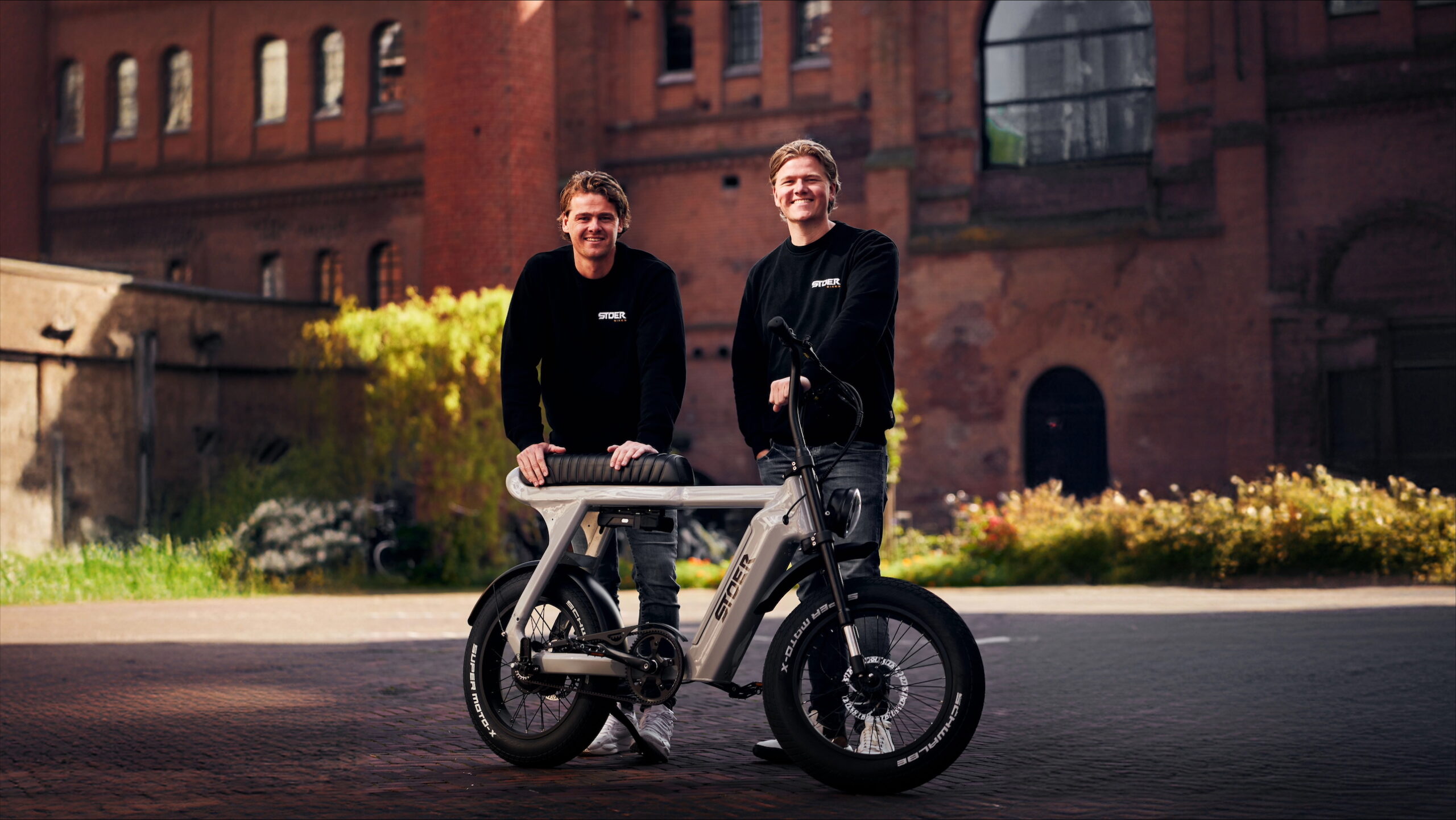
"Premium fatbikes like our CityX by contrast, are equipped with belt drive," explains Laurens. "These carbon belts are virtually maintenance-free. And last on average two to three times longer."

You don't have to lubricate, no greasy substance gets on your clothes. And the system works almost silently. It also rides noticeably smoother.

A belt drive means no more dirty hands during maintenance. No rust, less noise. And above all, more time on the bike instead of in the workshop.

2: Frame quality and durability

Whereas entry-level fatbikes are often made of standard steel or cheaper aluminum. Premium manufacturers choose high-quality aluminum with special alloys. You feel the difference immediately: premium frames are lighter and stiffer.

"At STOER Bikes we work with frames that are carefully designed," Laurens says. "With durable welds that don't fail even under the toughest conditions."

The welding techniques used on our frames are of significantly higher quality. This ensures better handling and more control while riding.

Premium frames are also better protected from corrosion. Which is especially important if you ride regularly in all weather conditions.

3: Battery capacity and range

A crucial difference lies at the heart of the electric drive: the battery. Entry-level models typically come with standard batteries of 10-13Ah. While premium models often offer larger capacities of 14-21Ah.

"This translates directly to range," says Laurens. "Where an entry-level model might take you 40-60 kilometers. Premium fatbikes easily take you 60-120 kilometers."

Moreover, the batteries in premium models are more cleverly integrated into the frame. Which not only benefits the looks. But also ensures better weather protection.

Premium fatbikes use high-quality branded cells from Samsung or LG. And advanced battery management systems that significantly extend battery life.

4: Braking technology: what's the difference?

When it comes to safety, brakes play a crucial role. Entry-level fatbikes are usually equipped with mechanical disc brakes. These do their job, but require regular adjustment.

"Premium fatbikes come standard with hydraulic disc brakes from reputable brands," Laurens explains. "The difference? More braking power with less hand power."

Better modulation, more consistent braking performance under all conditions and less maintenance. Brake discs also tend to be larger. Which provides better heat dissipation during prolonged braking.

With hydraulic brakes, you have better control over your speed. Allowing you to ride more safely in challenging situations.

"Purchased a STOER Bike last year after trying several fatbikes. STOER is by far the best! Still very much enjoy my purchase. In addition, the service is top notch!"
"We have been riding a Stoer bicycle for a year now without any problems. Even the battery capacity has not deteriorated. And when you then see other brands where after a year the rust marks are visible I am glad I spent a little more and now have a bike made entirely of aluminum. And this one stays really neat!!!"
"The bike is perfect for people with long legs. Sitting comfort is perfect for long distances."
"Finally a fatbike you can ride without having your knees next to your ears."

5: Comfort and ergonomics in prolonged use

Anyone who regularly cycles long distances knows: comfort is king. Entry-level fatbikes provide basic comfort. But premium models go much further.

"It starts with the contact with the bike," says Laurens. "Premium saddles are anatomically shaped. And often filled with high-quality gel materials that reduce pressure points."

Premium models also pay close attention to ergonomic handles. Which keep your wrists in a natural position. Handlebar position and accessibility of brake levers are carefully tuned.

Where entry-level bikes are often completely rigid, premium fatbikes offer more advanced suspension systems. These absorb shock and reduce fatigue during longer rides.

6: Motor and support levels

The heart of any electric fatbike is the motor. Here we see one of the most obvious differences. Entry-level fatbikes are often equipped with hub or front-wheel motors. Which usually deliver between 250-350W.

"Premium models like ours are equipped with more powerful center motors," says Laurens. "From well-known brands like Bafang. These deliver not only more power but also more torque."

Another difference is in the support levels and software. Premium fatbikes often offer more refined support levels. Which feel more natural.

In addition, more expensive models often have smart systems. Which automatically adjust the support level. This makes for a more intuitive and efficient riding experience.

8 Main differences between entry-level and premium fatbikes

7: Tires and terrain capabilities

The wide tires are the most distinctive aspect of fatbikes. But not all fatbikes roll alike. Entry-level fatbikes often use basic fatbike tires. With a simple tread and medium quality rubber.

"Premium fatbikes are distinguished by high-quality branded tires," Laurens explains. "With advanced rubber compounds that combine better grip. With longer life and lower rolling resistance."

These tires have thoughtful profiles. Which are specifically designed for certain types of terrain. From city and beach use to technical off-road riding.

Premium models are often tubeless-ready. Which means you can ride without an inner tube. This significantly reduces the chance of punctures.

Terrain TypeEntry-level FatbikePremium Fatbike
Paved roadsGoodExcellent
Unpaved trailsFairVery good
Sand/SandLimitedExcellent
Snow/MudLimitedGood to excellent
Technical trailsUnsuitableSuitable

8: Total long-term operating costs

The purchase price of a premium fatbike is considerably higher. Yet this investment can actually be more beneficial in the long run.

"Entry-level models are more likely to experience breakdowns and wear and tear," Laurens says. "Which leads to higher maintenance costs. Chains have to be replaced regularly."

Premium fatbikes such as those from STOER Bikes require less maintenance. And have more durable parts. The more reliable technology means fewer workshop visits.

In addition, premium models retain their value better. If you decide to sell your bike after a few years. For a premium model, you will still get a decent percentage back.

Choosing the right fatbike for your needs

Now that you know the main differences, it's time to determine which type fits best. Start by answering some questions honestly. How often will you use the bike? What distances do you want to travel?

"If you use the fatbike mostly on weekends, an entry-level model may be sufficient," Laurens advises. "But if you plan to use it regularly. Is a premium model like our CityX a wiser choice."

With us, we are always ready to help you make the right choice. We understand that a fatbike is an important investment. And take the time to advise you.

By choosing quality, durability and future-proofing, you ensure yourself more riding pleasure. And isn't that exactly what cycling is all about?

Want to know more about choosing the right fatbike? Then read our blog with the complete fatbike buying guide.