Companies that encourage bicycle use among employees reap the benefits: healthier and more productive employees, lower parking costs, a positive contribution to sustainability goals as well as tax advantages. Through smart bike schemes, good facilities and the right bike choice, companies can implement an effective cycling policy. The rise of electric bikes and cargo bikes with innovative belt drive makes biking to work attractive for more employees, even for longer distances or in changing weather conditions.
Free delivery in NL and BE
Tested best in the Netherlands & Belgium with 8.5 and 8.2 by Fietstest.nl, Het AD and HLN
How can companies encourage bicycle use among employees?
You'll find this in the article
- Why should companies encourage bicycle use among employees?
- What tax breaks are available to companies that encourage bicycle use?
- What are the most popular bicycle schemes companies can offer?
- How can a company implement an effective cycling plan?
- What facilities make biking to work attractive?
- What are the main considerations when choosing company bikes?
- What are the biggest barriers to employees getting to work by bike?
- What lessons can we learn from successful cycling plans?
Why should companies encourage bicycle use among employees?
Companies have several good reasons to encourage bicycle use. First, regular bicycling leads to healthier employees. This results in less absenteeism and higher productivity. "We see more and more companies recognizing the health benefits," Joeri says. "Cycling is a natural form of exercise that contributes to physical and mental health."
In addition, it offers financial benefits. Fewer cars means less need for expensive parking spaces. For businesses in urban areas, this is especially valuable. Parking space is scarce and expensive. This can provide significant savings.
Encouraging bicycle use also helps with sustainability goals. More and more companies are committed to corporate social responsibility. They want to reduce their carbon footprint. By encouraging employees to bike, you are directly contributing to fewer emissions.
Finally, there are tax advantages. The Dutch government offers various tax breaks for sustainable mobility. This also applies to bicycle use. This makes investments in bicycle schemes extra attractive.
The trend of sustainable mobility is gaining ground in Dutch business. Now that better, more comfortable bicycles are available, this becomes even easier. Electric bicycles make longer distances possible.
Want to learn more about sustainable mobility? Then read our blog "10 reasons to buy an electric fatbike“
What tax breaks are available to companies that encourage bicycle use?
Companies that encourage bicycle use can benefit from various tax advantages. The working expenses scheme (WKR) is an important tool in this regard. Within the free space, companies can make tax-free allowances. This also applies to bicycles.
One popular option is the bicycle scheme. This allows an employer to provide, reimburse or provide a bicycle. If the bicycle is used primarily for commuting, a targeted exemption applies. No tax has to be paid on it.
Employees who use their own bicycles for commuting are subject to a tax-free mileage allowance. Employers can reimburse a maximum of €0.21 per kilometer. This reimbursement applies to all forms of transportation, including bicycles.
In addition to these schemes, companies can invest in bicycle facilities. Think of bike racks or charging stations for e-bikes. These investments may be tax deductible under certain conditions. Some municipalities also offer subsidies.
By making smart use of these tax opportunities, companies can set up attractive bicycle policies. This need not involve large costs. However, it is advisable to consult a tax professional for specific options.
What are the most popular bicycle schemes companies can offer?
The most popular bicycle schemes range from simple allowances to complete lease arrangements. The choice depends on several factors. Company size, available budget and employee preferences all play a role.
The traditional bicycle plan remains popular. Under this, employees receive a bicycle or can purchase one at a discount. This can be offered through the work expense plan. The employer provides the bicycle. The employee may pay an own contribution.
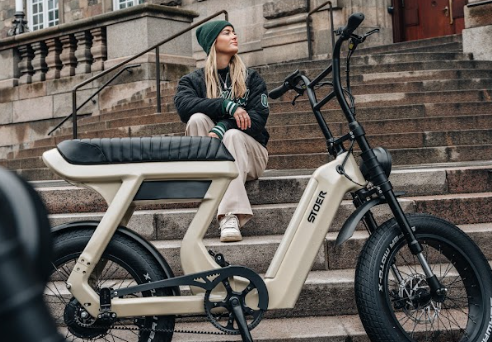
More and more companies are opting for bicycle leasing arrangements. This involves the company leasing bicycles for employees. These can be used for commuting and private use. This works similar to a lease car. But more fiscally beneficial and sustainable. This option is especially popular for more expensive bikes such as e-bikes and cargo bikes.
A mileage allowance specifically for cycling employees is low cost. This effectively encourages bicycle use. Some companies offer a higher allowance for bicycle mileage than car mileage. In this way, they make cycling extra attractive.
"Electric bikes with belt drives are an excellent choice for commuting," explains Joeri. "They require less maintenance than chain drives. This makes them ideal for everyday use. In addition, they make longer distances feasible."
Cargo bikes are increasingly part of company bicycle plans. Especially for employees who take children to school or regularly transport items. With an electric cargo bike, employees combine practical transportation with sustainable commuting.
Want to know more about electric cargo bikes? Then read our blog: "Can I use and electric cargo bike for my business or enterprise?“
How can a company implement an effective cycling plan?
Implementing an effective cycling plan starts with a clear strategy. First, determine what you want to achieve. More bicycling employees? Less parking pressure? Contribute to sustainability goals? Set concrete, measurable goals. That way you can evaluate success later.
Next, determining a realistic budget is crucial. This depends on company size and available resources. Remember that investments in cycling policies often pay for themselves. Reduced parking costs, reduced absenteeism and tax benefits help.
Selecting the right bicycle partners is an important step. Look for suppliers that offer quality bikes. Good service and warranty terms are essential. There are specialized providers for leasing arrangements. These can guide the entire process.
Communication to employees is essential for success. Make it clear what the plan entails. What benefits does it offer? How can employees participate? Organize information sessions. Share success stories and answer questions.
Finally, it is important to measure results. Adjust the plan as necessary. Keep track of how many employees participate. How many car miles are saved? What is the feedback from users? Use these insights to improve your bike plan.
Want to know more about implementation? Then read our blog: "7 tips when ordering an electric fatbike“
"We have been riding a Stoer bicycle for a year now without any problems. Even the battery capacity has not deteriorated. And when you then see other brands where after a year the rust marks are visible I am glad I spent a little more and now have a bike made entirely of aluminum. And this one stays really neat!!!"

"Purchased a STOER Bike last year after trying several fatbikes. STOER is by far the best! Still very much enjoy my purchase. In addition, the service is top notch!"

What are the main conclusions about the weight difference between drive systems?

"The bike is perfect for people with long legs. Sitting comfort is perfect for long distances."

What facilities make biking to work attractive?
To make biking to work truly attractive, the right facilities are essential. Safe and easily accessible bicycle parking is at the top of the list. Employees want to be able to park their bikes safely. Especially if it involves a more expensive e-bike. A covered rack with good lock facilities offers security. Possibly camera surveillance helps additionally.
Showers and locker rooms are important amenities. Especially for employees who bike longer distances. Or intense exercise during their commute. The ability to freshen up makes the threshold lower.
For electric bikes, charging stations are a godsend. Employees can charge their bikes during work hours. This ensures sufficient range for the return trip. This is especially relevant for people with longer commutes.
A bicycle repair station or service contracts with local bike shops can address concerns. These include concerns about maintenance. Some companies even offer periodic maintenance services. This is part of their bike plan.
In addition to physical facilities, digital tools can also encourage bicycling. Consider apps that record bike rides. Or reward systems for bike miles. Platforms where employees share experiences and bike together also help.
Want to know more about bicycle maintenance? Then read our blog:"Fatbike maintenance tips for years of riding enjoyment“
What are the main considerations when choosing company bikes?
When selecting company bikes, serviceability is a top priority, because less maintenance and therefore less downtime saves costs. "Belt-driven bicycles offer great advantages in this," says Joeri, because they require less maintenance and also last longer. They don't rust and in addition they wear out less quickly, significantly reducing overall maintenance costs and downtime.
Safety is another crucial factor, especially when workers cycle daily through heavy city traffic and also in the dark. Therefore, choose bikes with good lighting as well as reliable brakes for both safety and visibility. Stability is also important, as unexpected situations as well as slippery road surfaces can otherwise lead to accidents. For use in urban environments, additional safety features such as indicators and reflective details are desirable.
For electric bicycles, the range is important because it must match the average distance and additionally leave room for margin. Battery capacity must be sufficient so that employees can travel without stress while being prepared for unforeseen circumstances. Fast-charging options are also valuable because they offer flexibility as well as contributing to continuous use of the bicycle.
Different employees have different needs, which is why a diverse fleet is often wiser than a one-size-fits-all solution. Consider city bikes for short trips, as well as e-bikes for longer trips or commutes. Cargo bikes are ideal for employees who both transport children and carry materials during their workday.
Finally, it is important to choose bicycles that are both functional and representative of your corporate identity. High-quality, durable bikes exude professionalism, which means they are better appreciated and also last longer. Employees often appreciate that quality more than cheaper alternatives because the comfort and image are better.
Want to know more about bicycle types? Then read our blog: "E-fatbike VS E-bike: what are the differences?“

What are the biggest barriers to employees getting to work by bike?
Travel distance is often cited as the main barrier, as cycling beyond 10-15 kilometers feels too vaguely time-consuming as well as strenuous. Electric bikes significantly lower this barrier, as they increase range and also eliminate excessive effort. They make trips up to 25-30 kilometers feasible, even if you have little cycling experience or need extra speed.
Weather conditions pose a second major challenge, as rain, wind and cold keep many workers from cycling. Companies can address this with flexible working hours so that employees avoid bad weather and also travel more peacefully. In addition, amenities such as drying rooms and rain gear help employees be better prepared ánd less likely to drop out.
Lack of good facilities at work demotivates, especially if there is no bicycle parking or no charging stations. Without secure parking, employees feel insecure, and as a result they are more likely to leave their bikes at home. The same goes for showers or changing rooms, which are essential if employees want to arrive refreshed. Investing in these facilities makes cycling more attractive, as convenience and therefore motivation increase.
Care responsibilities and logistics make biking impractical, especially when children need to go to school and/or errands are done after work hours. "Cargo bikes offer a solution to this," says Joeri, because they provide space for children as well as luggage. This makes cycling feasible even for complex days, making it a realistic alternative to the car.
Finally, habit plays a big role because many people are used to driving and therefore avoid change. They are reluctant to change because uncertainty and routine get in the way. Trial periods with company bicycles help, because employees can get acquainted in a low-threshold manner and thereby build up confidence. Buddy systems offer additional support, because experienced cyclists accompany and at the same time lower thresholds. A gradual introduction works effectively because it builds acceptance and also reduces resistance.
Want to know more about practical use? Then read our blog "10 tips for getting the most out of your electric fatbike in the city“
What lessons can we learn from successful cycling plans?
The most successful bicycle plans are characterized by a holistic approach. They combine financial incentives, good facilities and a positive cycling culture. It is not enough just to offer bicycles. The entire ecosystem must be bicycle-friendly.
Customization proves essential. Employees have diverse needs and preferences. Some prefer their own bicycle. Others prefer a lease construction. Offering different options increases participation.
Communication and engagement play a key role. Companies that communicate their bike plan well see higher participation rates. Engaging employees helps. Collecting feedback regularly does, too.
Long-term thinking pays off. The benefits of bicycle policies often take time to materialize. Companies that are patient and keep investing eventually reap the most rewards. Healthier employees, lower costs and a better image are the result.
Finally, it is important to celebrate and share successes. Give attention to milestones. For example, the number of car miles saved. Share personal success stories. That's how you keep enthusiasm alive.
When implementing a bike plan for your business, we can help. We'll find the right bikes that fit your business needs. "At STOER Bikes we believe the right bike can make all the difference," concludes Joeri. "Our UrbanX with innovative belt drive can determine the acceptance and long-term success of your bicycle policy."
Want to learn more about our business solutions? Then read our blog "Electric fatbike: the ideal means of transportation for commuting“


