Free delivery in NL and BE
Tested best in the Netherlands & Belgium with 8.5 and 8.2 by Fietstest.nl, Het AD and HLN

How long does it take to charge an e-bike battery?

Charging a e-bike battery takes between 3 and 6 hours on average. This depends on the capacity of the battery and the type of charger. Modern lithium-ion batteries have a capacity between 300 and 700Wh.

"Factors such as the age of the battery and ambient temperature also affect charging time," Thomas of Stoer Bikes says. "Some newer models offer fast charging options. With which you can cut the charging time in half."

With the right charging habits, you can not only optimize charging time. But also extend the life of your battery.
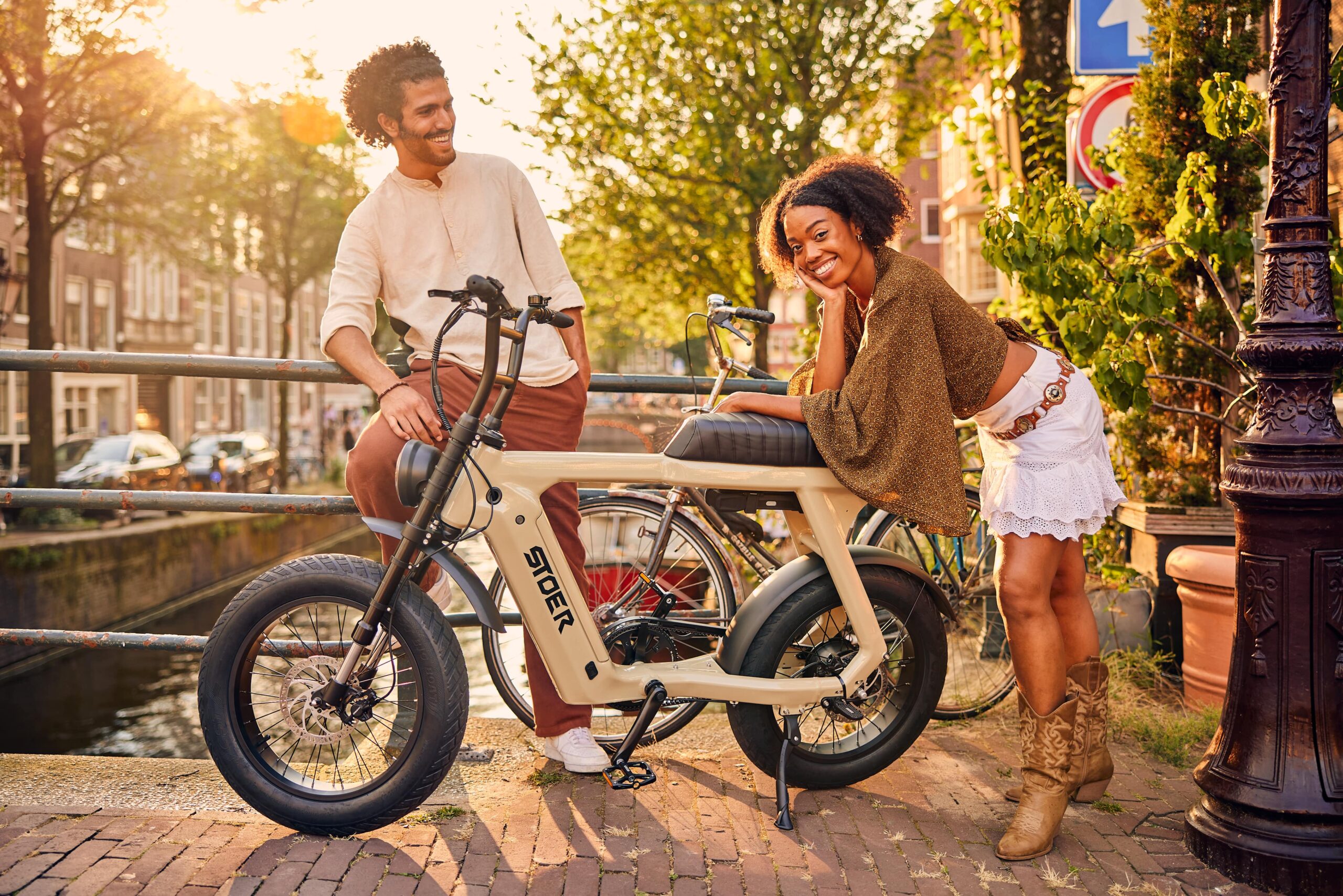
How long does it take to charge an e-bike battery?

Everything you need to know about charging an e-bike battery

Charging your e-bike battery correctly is essential for longevity and performance. A properly maintained battery can not only last longer. But also ensures consistent and reliable support while cycling.

"Most modern electric bikes use lithium-ion batteries," Thomas explains. "These are popular because of their high energy density and long life."

They don't suffer from the "memory effect" that older battery types did. This means you can charge the battery regardless of the current charge level. Without affecting capacity.

E-bike batteries are available in different capacities. Usually measured in watt-hours (Wh). The higher the watt-hour rating, the greater the range on a single charge.

How long does it take to charge an e-bike battery?

Fully charging an e-bike battery takes between 3 and 6 hours on average. The exact charging time depends on several factors. In which the capacity of the battery is the most decisive.

"A higher capacity battery, such as 500Wh or more, takes longer," Thomas says. "Than a lower capacity battery."

The charging current, determined by the charger, is also of great influence. Standard chargers usually deliver about 2 amps. Fast chargers can deliver up to 4 amps or more.

Temperature also plays an important role. Lithium-ion batteries charge most efficiently at room temperature. Between 10°C and 25°C.

Here is a rough indication of charging times with a standard charger:

  • 300-400Wh battery: about 3-4 hours
  • 400-500Wh battery: about 4-5 hours
  • 500-600Wh battery: about 5-6 hours
  • 600Wh+ battery: 6 hours or more

At our UrbanX with batteries between 720Wh and 960Wh, charging time can be a little longer. But they do offer an impressive range of up to 140 kilometers.

Can you partially charge an e-bike battery?

Yes, you can have a e-bike battery partial charging without problems. Unlike older battery types, modern lithium-ion batteries have no memory effect.

"This means you can charge the battery at your convenience," Thomas says. "Regardless of the current charge level, with no negative consequences."

Partial charging may even have benefits. For longevity, it is better to keep batteries charged between 20% and 80%. Instead of constantly fully discharging and charging them.

If you know you are only going to take a short drive. Is it fine to only partially charge the battery. This can also save time if you are in a hurry.

For everyday use, a pragmatic approach is best. Charge the battery at your convenience. And match the charging status to your planned trips.

"Finally a fatbike you can ride without having your knees next to your ears."
"The bike is perfect for people with long legs. Sitting comfort is perfect for long distances."
"We have been riding a Stoer bicycle for a year now without any problems. Even the battery capacity has not deteriorated. And when you then see other brands where after a year the rust marks are visible I am glad I spent a little more and now have a bike made entirely of aluminum. And this one stays really neat!!!"
"Purchased a STOER Bike last year after trying several fatbikes. STOER is by far the best! Still very much enjoy my purchase. In addition, the service is top notch!"

What is the difference between normal charging and fast charging?

The main difference is in the amount of current going to the battery. Standard chargers typically deliver about 2 amps. While fast chargers can deliver 4 amps or more.

"Fast chargers can reduce charging time with 40-60%," Thomas says. "Compared to standard chargers."

However, fast charging also has drawbacks. The higher current generates more heat during the charging process. This can shorten battery life in the long run.

Fast chargers are also more expensive than standard chargers. Not all e-bike models are compatible with fast-charging technology.

If you are considering purchasing a fast charger, check compatibility first. Some manufacturers offer special fast chargers. These are designed to work with their batteries.

For most users, a standard charger is sufficient. Especially if you charge your bike at night.

How do you extend the life of your e-bike battery while charging?

To maximize the life of your e-bike battery, there are several practices. First, it is important to charge the battery at room temperature. Between 10°C and 25°C.

"Extreme temperatures can significantly reduce capacity and service life," Thomas warns.

Avoid fully discharging your battery whenever possible. Lithium-ion batteries perform best between 20% and 80% of their capacity.

If you do not use the battery for an extended period of time, store it with 40-60% charge. In a cool, dry place.

Preferably use the original charger supplied with your e-bike. It is specifically designed to work optimally with your battery.

Important tips:

  • Charge at room temperature
  • Avoid full discharge
  • Use the original charger
  • Charge regularly after use
  • Store with 40-60% charge in longer storage
How long does it take to charge an e-bike battery?

Can you leave an e-bike battery on the charger overnight?

Leaving your charger on overnight e-bike battery is generally safe. Thanks to built-in protection circuits in modern batteries and chargers.

"These circuits cause the battery to stop charging once it is fully charged," Thomas explains. "This prevents overheating and overcharging."

Still, there are some considerations. Once the battery is fully charged, the charger still consumes a small amount of power. If it remains plugged in.

For optimal battery care, it is recommended that the charger be unplugged. Once the battery is fully charged.

If this is not practical, such as when charging at night, it is not a big problem. Thanks to protection circuits.

Do make sure the battery is in a well-ventilated area. Away from flammable materials.

The main points about charging your e-bike battery

After discussing all aspects, we can summarize the main points:

"These tips will ensure that you can enjoy your e-bike for years of trouble-free use," says Thomas.

  • The average charging time is between 3 and 6 hours, depending on the capacity
  • Modern lithium-ion batteries have no memory effect
  • For optimal battery life, keep battery between 20% and 80%
  • Fast chargers reduce charging time but can affect service life
  • Charge the battery at room temperature for best results
  • Modern batteries have protection circuits that prevent overcharging

Charging and maintaining your e-bike battery correctly is essential. For years of trouble-free riding. With the right charging habits, the service life can be extended significantly.

At STOER Bikes we understand the importance of reliable batteries. Our electric bikes are equipped with high-quality lithium-ion batteries. Whether you choose a UrbanX or CargoX, with proper battery care you will enjoy it to the fullest.