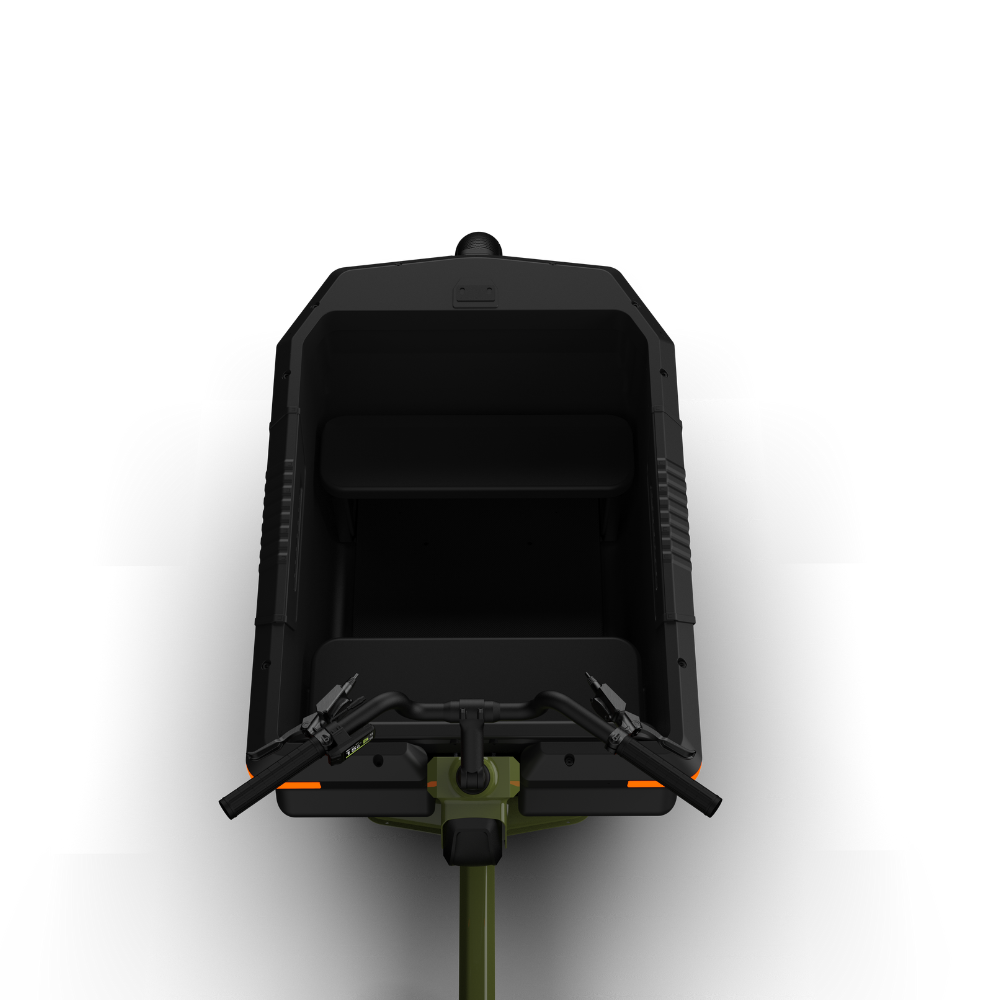
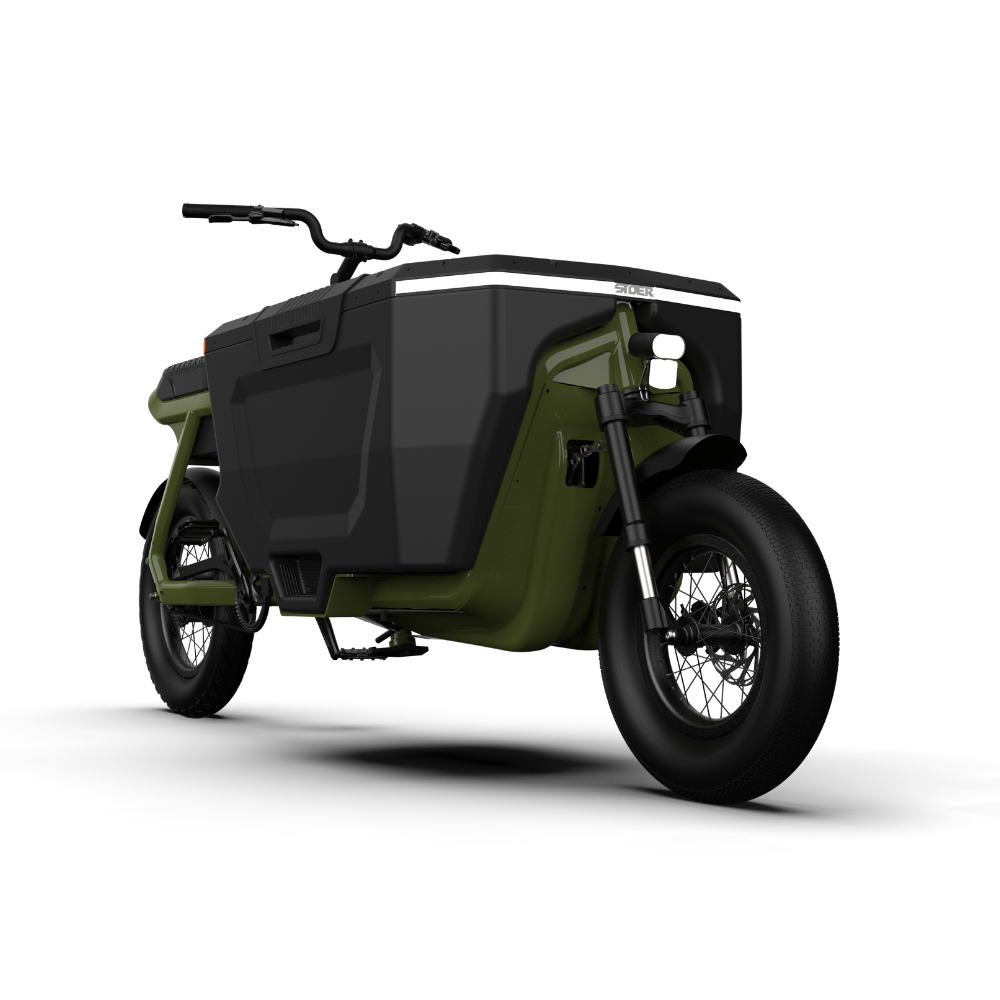
The cargo box of a cargo bike is perhaps the most important part. It holds your children, your groceries or your business cargo. But have you ever wondered what that bin is made of? The STOER CargoX uses an EPP bin that is completely recyclable. In this article, we explain what EPP is, why this material is so suitable for a cargo bike and how it contributes to a more sustainable world. Because if you do choose a cargo bike, you'll want the rest of the bike to match that green choice.
Free delivery in NL and BE
Tested best in the Netherlands & Belgium with 8.5 and 8.2 by Fietstest.nl, Het AD and HLN
EPP cargo bike: why the CargoX is recyclable
You'll find this in the article
- What is EPP and why is it special?
- Why did STOER Bikes choose an EPP bin?
- EPP versus other cargo bike materials
- Recyclability: what exactly does that mean?
- Safety of the EPP bin
- Maintenance of an EPP bucket
- The EPP bin fits STOER Bikes' sustainable mission
- What does this mean for you as a buyer?
- Frequently asked questions about the EPP bin
What is EPP and why is it special?
EPP stands for Expanded Polypropylene, or expanded polypropylene. It is a closed-cell foam material that you may recognize from other products. Think of packaging material for electronics, protective parts in car interiors or helmets. The material combines low weight with high strength, making it ideal for applications where both properties count.
EPP is created by inflating polypropylene granules with steam. This creates small, closed cells that combine to form a light but strong material. The manufacturing process uses no harmful blowing agents, which makes EPP an environmentally friendly choice right from production. After use, the material is fully recyclable, fitting into the circular economy.
The properties of EPP at a glance
EPP has properties that make it perfect for a cargo bike body. The material is extremely light, which is important for the overall weight of the cargo bike. At the same time, it is strong enough to carry heavy loads. The CargoX cargo box has a load capacity of 150 kilograms, which says a lot about the strength of the material.
Another advantage is shock absorption. EPP can absorb impacts without breaking or cracking. If your cargo bike hits a curb or something falls into the bin, the material absorbs the shock. This protects not only the cargo, but also the structure of the box itself. After a blow, EPP springs back to its original shape without permanent damage.
Want to see and feel the CargoX's EPP body for yourself? Then plan a free test drive at a dealer near you.
Why did STOER Bikes choose an EPP bin?
When designing the CargoX, sustainability was key. Brothers Thomas and Joeri, founders of STOER Bikes, wanted to make a cargo bike that not only rides well, but is also responsible. The choice of EPP fit perfectly with that vision. The material is recyclable, light and strong enough for daily use with children or heavy loads.
"We thought long and hard about the material for the cargo box," says Thomas, co-founder of STOER Bikes. "Many cargo bikes use wood or plastic that is not recyclable. We wanted a material that fits the sustainable choice people make when they buy a cargo bike. EPP was the logical choice."
Light weight, big advantage
The low weight of EPP has direct benefits for the driving experience. A lighter body means the engine doesn't have to work as hard. That translates into greater range per battery charge. The CargoX achieves 60 to 100 kilometers on a single charge, and the lightweight bucket material contributes to that.
For the driver, a lighter cargo bike feels more agile. Especially when maneuvering in crowded streets or taking turns, you notice the difference. The CargoX completely weighs about 65 kilograms, which is relatively light for an electric cargo bike with these specifications. The EPP box plays an important role in this.
Weatherproof in all seasons
Dutch weather conditions are demanding. Rain, sun, frost and hail alternate. EPP can handle it all. The material does not absorb water, so it does not rot or mold. Even after years outside, an EPP container retains its strength and appearance.
Unlike wooden trays, you do not need to treat an EPP tray with oil or varnish. No maintenance is required to protect the material from the elements. This saves time and money over the life of your cargo bike.
Want to know more about maintaining your cargo bike? Take a look at our overview of all STOER Bikes models and their maintenance needs.
EPP versus other cargo bike materials
Cargo bikes use different materials for the bucket. Each material has advantages and disadvantages. Below we compare EPP with the most common alternatives.
EPP versus wood
Wood bins have a classic look that appeals to many people. The material is natural and feels warm to the touch. Yet wood has disadvantages for cargo boxes. It is heavier than EPP, which makes it more difficult to ride. Wood is sensitive to moisture and requires regular maintenance with oil or varnish. Over time, wood can rot, crack or discolor.
EPP, on the other hand, requires no maintenance and is resistant to all weather conditions. It weighs less than wood, which improves the driving experience. At the end of its life, EPP is recyclable, whereas treated wood often ends up as residual waste.
EPP versus standard plastic
Some cargo bikes use standard plastic for the bin. This material is cheap and light, but has drawbacks. Regular plastic is often not recyclable or only at high cost. The material can become brittle from UV radiation from the sun and then cracks with a small blow.
EPP is designed to absorb shock. It springs back after a blow and retains its shape. Even after years of sun exposure, EPP remains flexible and strong. When recycled, EPP can be ground up and reused for new products.
EPP versus aluminum
Aluminum bins are strong and durable, but they have drawbacks. The material is heavier than EPP and more expensive to produce. Aluminum conducts heat, making the bin hot in summer and cold in winter. For children, this is less comfortable.
EPP actually insulates. The tub doesn't feel cold on winter mornings and doesn't get blazing hot in the sun. This makes the ride more enjoyable for children in any season.
Recyclability: what exactly does that mean?
The term "recyclable" is often used, but what does it mean for EPP? The material can be collected after use, ground up and made into new products. That could be new bakfiets bins, but also packaging material, car parts or insulation material.
The recycling process of EPP
In recycling, EPP is first collected and sorted. Then the material is ground into small pieces. These pieces are melted and reshaped into granules. Those pellets are the raw material for new EPP products. The process can be repeated several times without the material losing many of its properties.
There are several companies in the Netherlands that recycle EPP. The material fits within the growing circular economy, in which raw materials are reused for as long as possible. By choosing a cargo bike with EPP bin, you contribute to this system.
How do you turn in an EPP bin for recycling?
If your cargo bike is at the end of its useful life, you can return the EPP bin separately for recycling. Many recycling centers accept EPP as plastic. Check with your municipality for options. Some bike stores and dealers take in old cargo bikes and provide responsible recycling of the parts.
"We have been riding a Stoer bicycle for a year now without any problems. Even the battery capacity has not deteriorated. And when you then see other brands where after a year the rust marks are visible I am glad I spent a little more and now have a bike made entirely of aluminum. And this one stays really neat!!!"

What are the main conclusions about the weight difference between drive systems?

"Purchased a STOER Bike last year after trying several fatbikes. STOER is by far the best! Still very much enjoy my purchase. In addition, the service is top notch!"

"The bike is perfect for people with long legs. Sitting comfort is perfect for long distances."

Safety of the EPP bin
Parents want to know if the bin is safe for their children. EPP offers several safety benefits that make the material suitable for child transport.
Impact shock absorption
EPP absorbs energy upon impact. If your cargo bike hits something, the body absorbs some of the shock. This reduces the forces transmitted to the occupants. It's the same reason helmets and car bumpers often contain EPP.
The CargoX bin's high sidewalls provide extra protection. Children sit deep inside the bin, surrounded by the shock-absorbing material. Combined with the sturdy safety belts according to European standards, a safe environment is created.
No sharp edges or splinters
EPP naturally has a smooth, soft texture. There are no sharp edges that children can hurt themselves on. Unlike wood, EPP cannot splinter. Even after years of use, the material remains smooth and safe.
See all of the CargoX's safety features at the product page.
Maintenance of an EPP bucket
One of the great advantages of EPP is its ease of maintenance. Or rather, the lack of maintenance required. The tray requires little attention to look good for years.
Cleaning is simple
Dirt, sand or spilled drinks are easily washed away with water. A garden hose or bucket of water is sufficient. For stubborn dirt, use a soft brush with soapy water. The material is not porous, so stains do not soak in. After cleaning, the container dries quickly.
No treatment required
Wooden containers require annual treatment with oil or varnish. EPP does not require that. The material is inherently resistant to UV rays, rain and frost. You don't need to buy products to protect the bin. This saves money and time over the years you use the cargo box.
Minor damages are not a problem
Due to the elastic nature of EPP, small dents naturally spring back. Scratches are barely visible due to the texture of the material. If larger damage does occur, it does not immediately affect the structural strength of the tray. EPP continues to function even with some cosmetic damage.
The EPP bin fits STOER Bikes' sustainable mission
STOER Bikes was founded with the mission to be different from other bike brands. Brothers Thomas and Joeri wanted to make bikes with character, but also with responsibility. The choice of EPP fits into that philosophy. It is a material that performs where it should, but also takes into account the future.
Durability goes beyond the bucket. The Gates CDX belt drive lasts 3 to 5 times longer than a traditional chain. The aluminum frame is recyclable. The battery can be returned after use to recycle the valuable materials inside. Every part is chosen with an eye for quality and the environment.
The CargoX won the German Design Award 2025 in the Excellent Product Design category. This international recognition confirms that sustainability and good design go hand in hand. It is possible to make a cargo bike that looks good, rides well and is responsible.
What does this mean for you as a buyer?
When you buy a cargo bike, you are already making a sustainable choice. You are replacing car trips with bike trips and reducing your CO2 emissions. By choosing a cargo bike with EPP cargo box, you go one step further. You choose a material that is recyclable and requires little maintenance.
Lower total cost of ownership
EPP requires no maintenance products or treatments. You save on oil, varnish and other care products that wooden tubs require. The bin stays in good condition for years without additional investment. This reduces the total cost of ownership of your cargo bike.
Longer lifespan
Due to the weather resistance and abrasion resistance of EPP, the bin will last a long time. You don't have to buy a new bin after a few years or have it replaced. The CargoX with EPP bucket is built to last for years, up to 10 years or more with normal use.
Good feeling with your purchase
Knowing that your cargo bike is made with the environment in mind makes you feel good. You ride around in a vehicle that fits your values. When your kids ask why you have a cargo bike, you can explain that it's better for the world. And that one day the cargo box can be reused for something new.
Want to experience the CargoX with EPP bucket? Take a look at the overview of STOER Bikes dealers and schedule a test drive.
Frequently asked questions about the EPP bin
What exactly is EPP?
EPP stands for Expanded Polypropylene. It is a closed-cell foam material that is light, strong and fully recyclable. It is also used in car bumpers, helmets and packaging materials.
Is EPP safe for children?
Yes, EPP is safe. The material is free of harmful substances and meets European safety standards. The smooth texture prevents splinters or sharp edges. Its shock-absorbing properties provide additional protection in the event of a blow.
How do I clean an EPP container?
Rinse the container with water. For stubborn dirt, use a soft brush with soapy water. The material is not porous, so stains do not soak in. After cleaning, let the bin air dry.
Do I need to maintain the EPP tank?
No, EPP requires no maintenance. You don't need to treat the material with oil, varnish or other products. It is inherently resistant to weather and wear.
Can I recycle the EPP bin at the end of its useful life?
Yes, EPP is fully recyclable. You can drop it off at the recycling center or at a dealer who takes in old cargo bikes. The material is ground up and processed into new products.
How long does an EPP container last?
Under normal use, an EPP tray will last at least 10 years. The material is resistant to UV radiation, rain, frost and shock. The bin retains its shape and strength throughout the life of the cargo bike.
Why don't all cargo bikes choose EPP?
EPP is more expensive to purchase than some other materials. Not all manufacturers want to make that investment. STOER Bikes deliberately chooses EPP because it fits the brand's sustainable vision and because it offers the best properties for daily use.


