The cargo bike battery in winter requires extra attention. Cold temperatures affect the performance and life of your battery. The good news: with the right care, you can keep cycling without any problems, even in freezing temperatures. In this blog you'll read all about the effect of cold on your cargo bike battery, how to maintain range, and tips to help you get your battery through the winter.
Free delivery in NL and BE
Tested best in the Netherlands & Belgium with 8.5 and 8.2 by Fietstest.nl, Het AD and HLN
Bakfiets battery in winter: tips for range and care
You'll find this in the article
- What does cold do to your cargo bike battery?
- Maintain coverage in winter
- Charging in winter
- Stabling and storage in winter
- Protecting the display
- Winter maintenance
- Range by temperature
- The advantages of a large battery
- Checklist: bakfiets battery winterization
- Summary
- Frequently asked questions about cargo bike battery in winter
What does cold do to your cargo bike battery?
A cargo bike battery in winter performs differently than in summer. This has to do with the chemistry in lithium-ion batteries. The lithium ions in the battery move through a liquid electrolyte. At low temperatures, this electrolyte thickens, causing the ions to move more slowly. The result: less available energy.
A bakfiets battery works optimally at temperatures between 10 and 25 degrees Celsius. At 0 degrees, you already lose about 20-25% of your range. Does the temperature drop to -10 degrees? Then the loss can reach 40-50%. This means that your cargo bike that normally reaches 80 km may only get 50-60 km in winter.
The good news: this loss is temporary. Once the battery warms back up to room temperature, full capacity returns. It is not permanent damage to your battery, but a physical property of lithium-ion cells.
Looking for a cargo bike with a hefty battery that will also go far in winter? Check out our blog about the best electric cargo bike 2026: STOER CargoX with €720 free accessories.

Maintain coverage in winter
Want to get as far as possible with your cargo bike battery in the winter? Then these tips will help maintain your range.
Start with a warm battery
The temperature of your battery at departure largely determines your range. Store the battery overnight indoors at room temperature. Put the battery in your cargo bike only when you actually leave. That way you start with a warm battery that performs optimally.
"We advise customers to always take the battery inside in cold weather," says Thomas of STOER Bikes. "Let it warm up for a while before charging. Half an hour is enough."
Use a battery cover
A neoprene battery cover is like a winter coat for your battery. The cover traps the heat produced by the battery while driving. This way, the battery cools down less quickly and maintains better range. A battery cover costs about €20-€40 and is a smart investment for those who bike daily.
Note: Use the battery cover only in temperatures below 15 degrees. At higher temperatures, the battery may overheat, which is harmful. Also, always remove the cover while charging.
Choose a higher assistance setting
It sounds contradictory, but a higher assist setting can actually help in winter. The motor then draws more current, warming the battery from the inside out. This improves performance and range. Just pedal along, though, so you don't use up unnecessary energy.
Drive evenly
Starting and stopping a lot takes extra energy. Try to cycle as evenly as possible. Choose a constant speed and avoid abrupt braking and acceleration. This will save your cargo bike battery in winter and extend your range.
More tips for increasing your reach? Read our blog on How an electric cargo bike can transform your daily rides.
Charging in winter
Charging your cargo bike battery in the winter requires extra attention. This is because incorrect charging can cause permanent damage to the battery.
Never charge an ice-cold battery
This is the most important rule: never charge a battery that is freezing cold. At temperatures below freezing, "plating" can occur. That means lithium deposits on the battery's anode instead of being incorporated into it. This causes permanent damage and shortens the life span considerably.
Coming home after a cold ride? Then let the battery warm up at room temperature for half an hour to an hour first. Only then should you plug in the charger. This is especially true if you are using a fast charger, as a higher charging current increases the risk of plating.
Charge indoors at room temperature
The ideal charging temperature is between 10 and 25 degrees Celsius. So always charge your battery indoors, in a dry room with stable temperature. Not in an unheated shed or garage where it can freeze.
Have no other option than charging in the cold? Then wait until the temperature is above 5 degrees. And stay nearby during charging to check that the battery and charger are not getting too hot.
Always use the original charger
Your cargo bike battery is matched to the original charger. It communicates with the Battery Management System (BMS) in the battery and adjusts the charging current to the temperature and condition of the battery. Counterfeit chargers often lack this intelligence and can damage the battery.
The STOER CargoX comes with a charger specifically matched to the 960Wh battery. Check out the specifications on the STOER CargoX product page.

Stabling and storage in winter
Where you store your cargo bike makes a difference to the cargo bike battery in winter. Cold and moisture are your battery's biggest enemies.
Get the battery inside
Is your cargo bike outside or in an unheated shed? Then take the battery out and store it inside. Temperatures below freezing can damage a battery, especially if it is left out in the cold for long periods of time.
The battery of the STOER CargoX is removable with a key. This makes it easy to take the battery inside. The battery weighs about 4-5 kg, so fine to take with you for a while.
Store with the right load
Not going to use the cargo bike for a long time? Then store the battery with a charge of 40-60%. A fully charged or completely dead battery is not good for long-term storage. Check the charge every few weeks and recharge if the battery drops below 30%.
A battery left empty for too long can experience "deep discharge." This means that the voltage drops so far that the battery becomes unusable. And a new battery quickly costs several hundred dollars.
Ideal storage temperature
The best storage temperature for your cargo bike battery is between 10 and 20 degrees. Not too hot, not too cold. A utility room, storage room or hallway is often a good place. Avoid direct sunlight and heat sources such as radiators.
Read more tips in our blog on 10 things you need to know before buying an electric cargo bike.
Protecting the display
Not only the battery is sensitive to cold. The display on your cargo bike can also suffer from frost and moisture.
Take display inside
If your display is removable, take it inside in cold weather. Frost can damage the display and moisture can soak into the electronics. Most displays snap off easily.
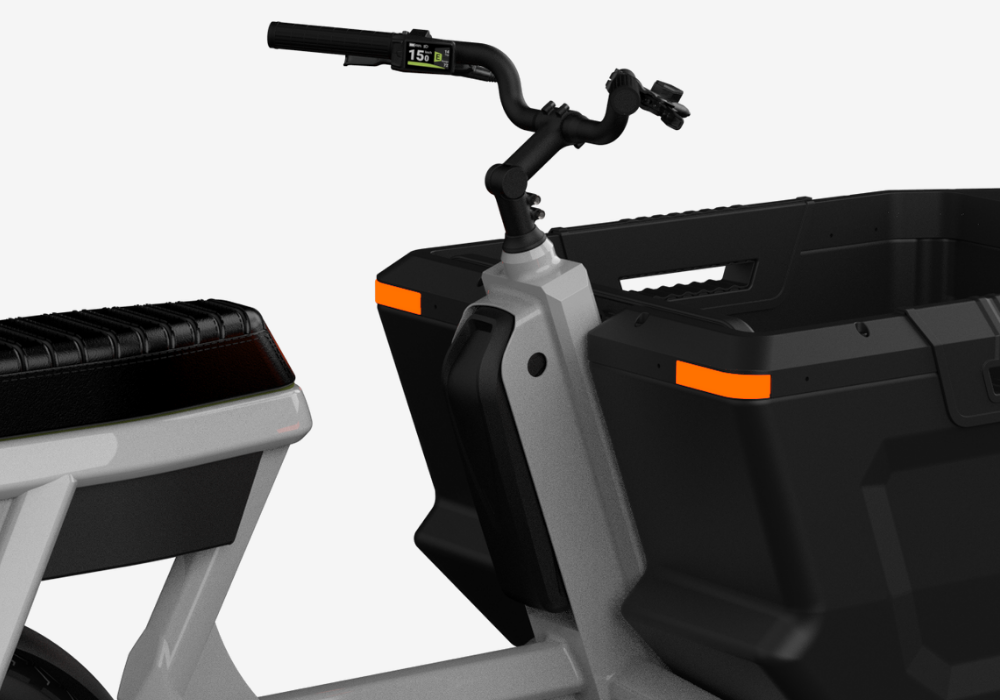
The STOER CargoX has a large waterproof 4.0″ Bafang display. This display can withstand splashing water, but not prolonged frost. In extreme cold, it is wise to cover the display or take it indoors.
Display protective cover
There are special covers available that protect your display from cold, moisture and impacts. This is useful if you park your cargo bike outside all day, such as at the train station or at work.
"We have been riding a Stoer bicycle for a year now with no problems. Also to the battery capacity is not yet

What are the main conclusions about the weight difference between drive systems?

"Purchased a STOER Bike last year after trying several fatbikes. STOER is by far the best! Still very much enjoy my purchase. In addition, the service is top notch!"

"The bike is perfect for people with long legs. Sitting comfort is perfect for long distances."

Winter maintenance
Your cargo bike requires some extra maintenance in the winter. Not just for the battery, but for the whole bike.
Regular cleaning
Road salt and dirt can cause corrosion to metal parts. Rinse your cargo bike with lukewarm water after a winter ride. Never use a pressure washer, as it can push water into electrical components.
Dry the bike thoroughly, especially around the battery connector and motor housing. Moisture and frost are disastrous for electrical contacts.
Check tires and brakes
Cold tires have lower pressure. Check tire pressure regularly and inflate if necessary. The ideal pressure for the STOER CargoX is 3.5-4 bar. Low tire pressure means more resistance and thus a shorter range.
Also check the brakes. Hydraulic disc brakes perform well in winter, but the brake fluid can thicken a bit in extreme cold. Always test your brakes before hitting the road.
The belt drive in winter
A major advantage of belt-driven cargo bikes, such as the STOER CargoX, is that they continue to work well in winter. A belt doesn't get stiff from the cold like a chain can. You don't suffer from rust and you don't have to lubricate. The Gates CDX belt keeps running smoothly even in freezing temperatures.
Want to learn more about the benefits of belt drives? Check out our blog on fatbike with belt drive: advantages, disadvantages and tips.
Range by temperature
How far will you get with your cargo bike battery in winter? It depends on the temperature and your battery capacity. Here is an indication:
| Temperature | Capacity loss | Range STOER CargoX (960Wh) |
|---|---|---|
| 20°C (summer) | 0% | 60-100 km |
| 10°C | 5-10% | 55-90 km |
| 0°C | 20-25% | 45-75 km |
| -5°C | 30-35% | 40-65 km |
| -10°C | 40-50% | 30-50 km |
Please note that these are indications. Actual range also depends on your driving style, loading, terrain and wind direction. In winter it often ranges, which gives extra drag.
The advantages of a large battery
In the winter, a large battery pays for itself more than once. With more capacity, you have a larger buffer for capacity loss due to cold.
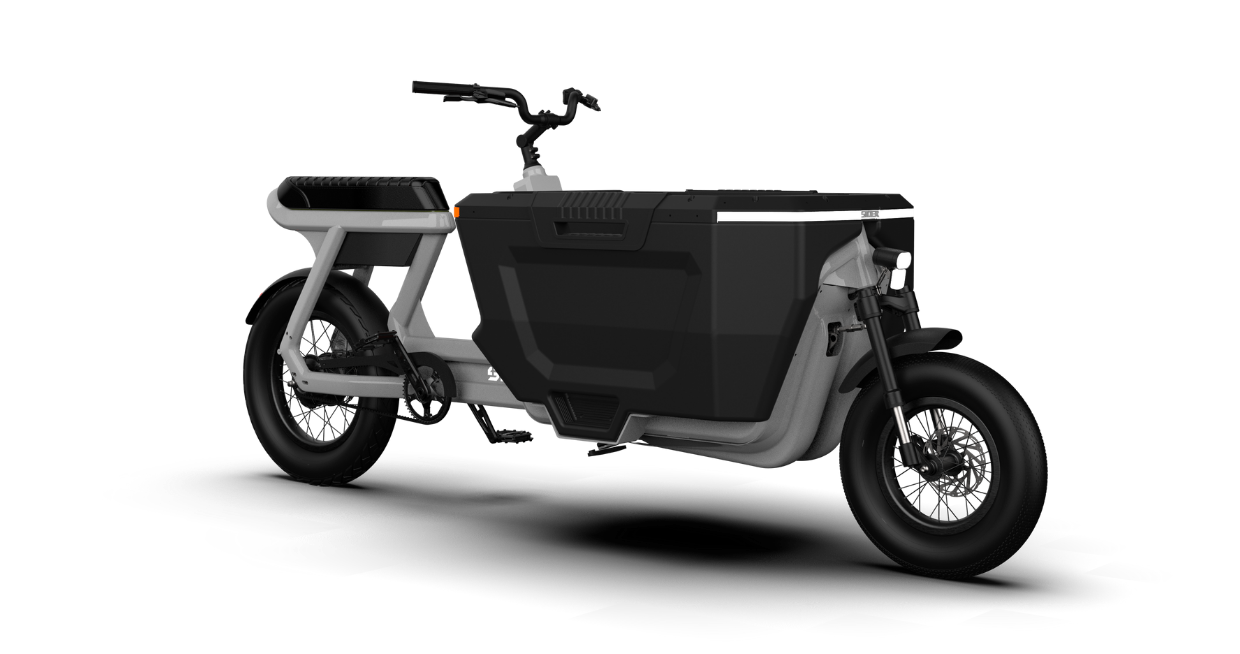
The STOER CargoX has a 960Wh battery, one of the largest in its class. Where other cargo bikes with 500Wh batteries quickly fall short in winter, the CargoX still has plenty of range. Even at -5 degrees you can still get 40-65 km. That is more than enough for most daily rides.
In addition, the CargoX has a Bafang H720 motor with 92Nm of torque. That extra power is nice when you take the kids to school with cold tires and headwinds. You don't have to put extra strain on the battery by pedaling harder.
Checklist: bakfiets battery winterization
Prepare your cargo bike for winter with this checklist:
- Store the battery overnight indoors at room temperature
- Let a cold battery warm up first before charging
- Buy a neoprene battery cover for extra insulation
- Check tire pressure regularly
- Clean and dry the cargo bike after a winter ride
- Take the display inside during frost
- Never charge at temperatures below freezing
- Keep the battery in long-term storage on 40-60% charge
- Keep battery contacts clean and dry
- Plan shorter trips or take an extra battery with you
These tips will get you through the winter without any problems. Your cargo bike battery will last longer and your range will stay as high as possible.
Summary
A cargo bike battery in the winter requires extra care, but with the right approach, you just keep cycling. Cold temporarily reduces capacity by 20-50% depending on the temperature. This loss is not permanent and returns once the battery warms up.
The most important tips: store and charge the battery at room temperature, never charge an ice-cold battery and use a battery cover for extra insulation. With a large battery like the STOER CargoX's 960Wh, you'll have plenty of range even in winter.
Want to learn more about the STOER CargoX? Schedule a test ride and experience for yourself how this cargo bike performs.
Frequently asked questions about cargo bike battery in winter
How much range do I lose in winter?
At 0 degrees, you lose about 20-25% of your normal range. At -10 degrees, this can increase to 40-50%. This loss is temporary and returns once the battery warms up to room temperature.
Can I charge my cargo bike battery when it's freezing?
No, never charge an ice-cold battery. This can cause permanent "plating" damage. Let the battery warm up at room temperature for at least half an hour before connecting the charger.
Should I take the battery out in the winter?
Yes, if your cargo bike is outside or in an unheated area. Store the battery inside at 10-20 degrees. This will extend its life and ensure that you leave with a warm battery.
Does a battery cover really help?
Yes, a neoprene battery cover traps the heat produced by the battery while driving. This slows down cooling and keeps your range better. Use the cover only in temperatures below 15 degrees and remove it while charging.
Can my cargo bike battery break down due to cold?
A cold battery is not directly damaged, but prolonged exposure to frost can shorten its life. The biggest risk is charging an ice-cold battery: it can cause permanent damage. Therefore, store the battery indoors in cold weather.
At what temperature should I store the battery?
The ideal storage temperature is 10-20 degrees Celsius. Store the battery in a dry area away from direct sunlight and heat sources. For long-term storage, a charge of 40-60% is optimal.
Does the engine also work well in winter?
Yes, the Bafang H720 motor in the STOER CargoX works excellently in cold temperatures. Modern e-bike motors are resistant to frost. The Gates CDX belt drive has the added advantage that it does not become stiff from the cold, as a chain can.
How long will my battery last in winter?
The life of your battery depends on how you treat it. With good winter care (do not charge ice-cold, store indoors) your battery will last as long as normal: 3-5 years or 500-1000 charge cycles on average. Improper use in winter can shorten its life considerably.


