In the Netherlands, electric fatbikes are classified by law into different categories depending on their technical specifications. This classification determines where you can and cannot ride.
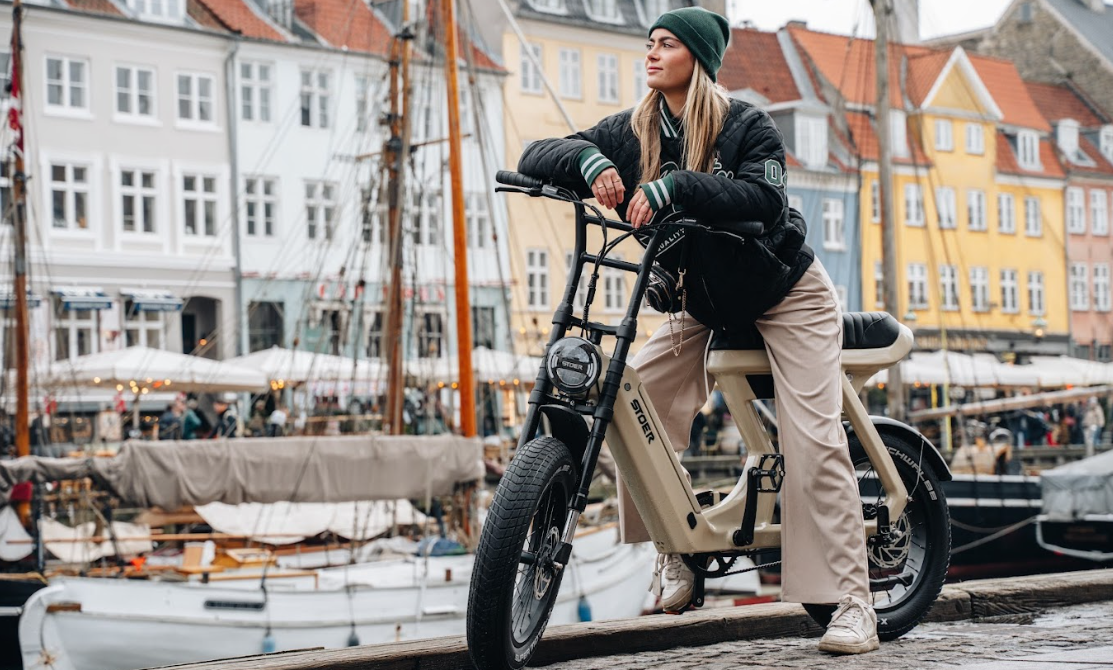
The standard electric fatbike with pedal assistance of up to 25 km/h and an engine of up to 250 watts is legally considered a regular bicycle (also called a "pedelec"). You can ride this type of fatbike on all regular bike paths and the same rules apply as for a regular bike. You don't need a driver's license, insurance or a helmet.
"All STOER Bikes models meet this standard," Joeri emphasizes. "Our CityX example has exactly 250W and 25 km/h support."
However, if your electric fatbike is more powerful than 250 watts or can go faster than 25 km/h with motor assistance without pedaling, it falls under the category of moped or even moped. Different rules apply to these categories:
Mopeds (up to 25 km/h): Blue license plate required, minimum age 16, insurance required, and, since 2019, mandatory helmet in many cities.
Mopeds (up to 45 km/h): Yellow license plate required, minimum age 16, AM driver's license required, insurance required and helmet required.
These faster categories are often not allowed to ride on bike lanes within built-up areas, but must use the carriageway. Outside of built-up areas, they are usually allowed to ride on bicycle lanes, if indicated by appropriate traffic signs.
Therefore, when buying an electric fatbike, it is important to know what the specifications are and what category it falls under. This prevents unpleasant situations and possible fines.
Want to know more about legislation? Then read our blog "What are the new rules for fatbikes in 2024-2026?“