More and more you see them on the streets: fatbikes More and more you see them on the streets: fatbikes with their remarkably wide tires. These robust bikes are gaining in popularity, especially among adults looking for versatility and riding pleasure in all conditions. The unique construction with extra-wide tires offers advantages not found in traditional bikes. Not only are they perfect for adventure tours through forest, beach or snow, but they also offer stability and comfort in the city. In this guide, we answer the most frequently asked questions about this particular bike category and help you make an informed choice for your next cycling adventure.
Free delivery in NL and BE
Tested best in the Netherlands & Belgium with 8.5 and 8.2 by Fietstest.nl, Het AD and HLN
10 questions answered about fatbikes for adults
You'll find this in the article
- 1: What exactly is a fatbike and why are the tires so wide?
- What are the main advantages of a fatbike for adults?
- 3: What is the difference between an electric fatbike and a normal fatbike?
- How much does a good fatbike for adults cost?
- What specifications are important when choosing a fatbike?
- How do I optimally maintain my fatbike?
- 7: For what terrains and seasons is a fatbike best suited?
- 8: What are the best fatbike models for different purposes?
- How do I choose the right frame size for a fatbike?
- What accessories are essential for my fatbike?
- Choosing the right fatbike for your adventures?
1: What exactly is a fatbike and why are the tires so wide?
A fatbike is distinguished from regular bikes by its remarkably wide tires, usually between 4 and 5 inches (10-13 cm) wide. These "fat" tires are the signature element that gives fatbikes their name. The frame is specially designed to accommodate these hefty tires, with wider forks and more space between frame elements.
The wide tires offer a much larger contact surface with the surface, providing superior grip on loose surfaces such as sand, mud and snow. Due to the lower tire pressure (often between 0.4 and 1.0 bar), the tires act as a kind of natural suspension, absorbing shock and increasing comfort. This makes the fatbike ideally suited to terrains where regular bikes would sink or slip.
What are the main advantages of a fatbike for adults?
Fatbikes offer adults a unique combination of advantages that other bikes cannot match. The wide tires provide exceptional stability, which is especially nice for beginners or cyclists who appreciate security. You have less trouble with small obstacles, holes in the road or bumps, because the bulky tires cushion them easily.
Another big advantage is versatility. With a fatbike you can ride practically year-round and switch between different types of terrain without adjusting your bike. From snowy trails in winter to sandy beaches in summer, one bike covers all seasons. For adults who like variety and don't want to buy multiple specialized bikes, a fatbike is a smart investment.
Moreover, a fatbike gives you access to areas previously inaccessible by bicycle. Think rugged forest trails, beaches and even snowy landscapes. This go-anywhere capability opens up a world of new routes and adventures.
Well would you like to know more about the benefits of a fatbike? Then see our blog On 10 reasons to buy a fatbike.
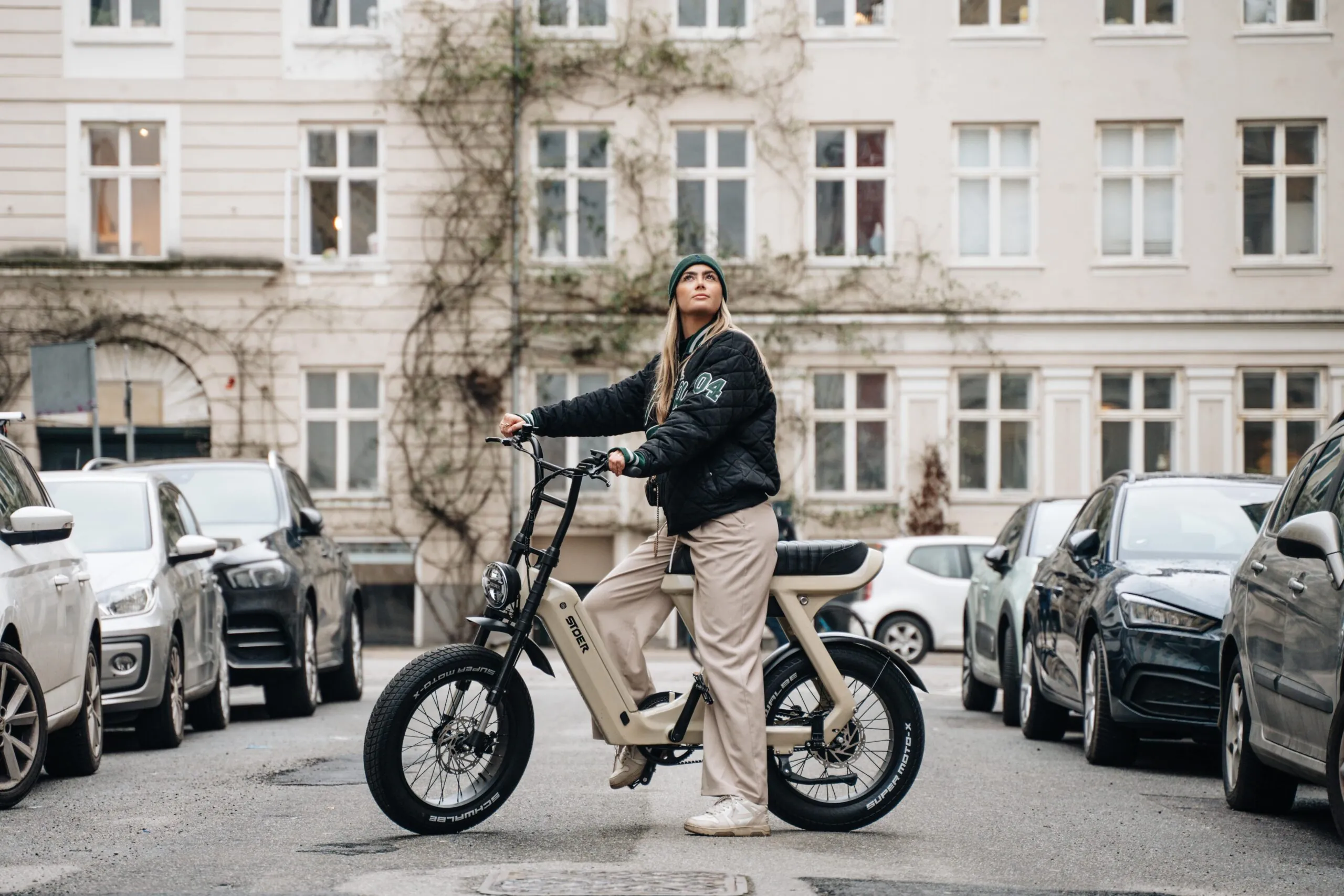
3: What is the difference between an electric fatbike and a normal fatbike?
The main difference between an electric and a non-electric fatbike is, of course, in the pedal assistance. An electric fatbike is equipped with a motor and battery to help you cycle, which is especially useful given the higher weight of fatbikes and when overcoming challenging terrain or longer distances.
"Many people are surprised how smoothly an electric fatbike rides," says Joeri of Stoer Bikes. "Especially on longer distances or hilly terrain, you really notice how much comfort that pedal assistance adds. It makes adventure more accessible for everyone."
Electric fatbikes usually offer different levels of assistance, which allow you to determine how much help the motor provides. The range varies depending on factors such as battery capacity, terrain, rider weight and the support level chosen, but averages between 40 and 100 kilometers. The extra weight of the electric components (usually 6-8 kg) does make the bike heavier, but the motor assistance more than compensates.
In terms of price, electric fatbikes are usually €800 to €1500 higher than comparable non-electric models, but for those who take longer rides or need to overcome steep inclines, this investment is often worth it. Especially for commuters or recreational riders who want to sweat less, an electric fatbike offers the best of both worlds: adventure without extreme exertion.
How much does a good fatbike for adults cost?
Prices of fatbikes vary widely, depending on quality, materials and components. For an entry-level non-electric fatbike, count on about €800 to €1200. These bikes usually have a steel frame and basic components that are fine for recreational use.
In the mid-range (€1200-€2000) you will find fatbikes with lighter aluminum frames and better components such as hydraulic disc brakes and higher-end gear systems. For electric fatbikes, prices start around €1800 for a base model, while high-end electric versions with powerful motors, large batteries and premium components can reach €4000 or more.
When deciding on your budget, it is important to think about how intensely you want to use the fatbike going to use. For daily use or regular adventure tours, it pays to invest in more durable components and a reliable electric drivetrain if you go for an e-fat bike.
Now you want to know even more about what to look for when buying a fatbike? Then see our blog about What should I look out for when buying a fatbike?
What specifications are important when choosing a fatbike?
The frame material largely determines the weight, durability and handling of your fatbike. Aluminum frames offer a good balance of weight and strength, while carbon frames are lighter but more expensive. Steel frames are robust and affordable, but relatively heavy.
The tire size is crucial - most fatbikes have either 26 x 4.0″ or 26 x 4.8″ tires. Wider tires (4.8″) offer more grip and floatation on very soft surfaces, while narrower fatbike tires (4.0″) roll a bit faster on firmer surfaces. Also pay attention to the tread that suits your riding style and terrain.
For brakes, hydraulic disc brakes are highly recommended because of their reliable stopping power in all conditions. With an electric fatbike, motor power (250W is standard in the Netherlands) and battery capacity (usually between 400-630Wh) are important factors that determine range and support. Choose a model with removable battery for easy charging.
"Purchased a STOER Bike last year after trying several fatbikes. STOER is by far the best! Still very much enjoy my purchase. In addition, the service is top notch!"

"We have been riding a Stoer bicycle for a year now without any problems. Even the battery capacity has not deteriorated. And when you then see other brands where after a year the rust marks are visible I am glad I spent a little more and now have a bike made entirely of aluminum. And this one stays really neat!!!"

What are the main conclusions about the weight difference between drive systems?

"The bike is perfect for people with long legs. Sitting comfort is perfect for long distances."

How do I optimally maintain my fatbike?
Proper maintenance of your fatbike starts with the tires. Check the tire pressure regularly and adjust it based on the terrain: lower (0.4-0.6 bar) for soft surfaces such as sand and snow, and higher (0.8-1.2 bar) for paved roads. A digital tire pressure gauge is indispensable due to low pressure readings.
Clean your fatbike thoroughly after muddy rides to prevent wear on moving parts. Pay particular attention to the drivetrain a traditional chain should be cleaned and lubricated regularly. Models with a belt drive require significantly less maintenance, which is a great advantage for frequent use in challenging conditions.
For electric fatbikes, keep the battery contact points clean and store the battery in a cool, dry place during long-term storage with approximately 60% charge. Periodically check that all electrical connections are free of moisture and dirt to prevent malfunctions.
Now you want to know more about a fatbike with belt drive? Then see our blog about advantages of belt drive when buying a fatbike.
7: For what terrains and seasons is a fatbike best suited?
Versatility champions are fatbikes when it comes to different surfaces. Excellence they show on loose and soft surfaces such as sand, snow, mud and gravel. Beaches make normal bikes sink, but with a fatbike you can ride effortlessly along the surf. In winter, fatbikes offer grip on snowy trails where other cyclists have to drop out.
"Speed from A to B is not the reason to choose a fatbike." according to Thomas of STOER Bikes. "Being able to get anywhere constitutes the real goal. Customers use them on the beach, in the snow or through the woods. Regular bikes just give up in these places."
Performance of your fatbike can be optimized by adjusting the tire pressure to the terrain. Snow and very loose sand require extremely low pressure (0.3-0.5 bar) for maximum grip and floatation. Paved roads tolerate higher pressures (0.8-1.4 bar) for less rolling resistance. Adjustments make one fatbike suitable for all seasons.
Terrain can handle fatbikes anywhere, but designers don't make them for high speeds on paved roads. Longer distances on asphalt create noticeably more drag than on a road bike or hybrid bike. Adventure routes bring out their true potential where regular bikes struggle.
8: What are the best fatbike models for different purposes?
Daily use and commuting require electric fatbikes with integrated lights, fenders and racks. Comfort combines these models with practical functionality. Electric support reduces perspiration, perfect for when you want to arrive fresh at work.
Adventurous off-road riders better opt for a lighter fatbike. Premium suspension fork, hydraulic disc brakes and extra-wide tires (4.8 inches) offer maximum grip. Long-distance rides require an electric fatbike with large battery capacity (>500Wh). Comfortable seating position and options for mounting bags are preferred.
Beach lovers and winter cyclists smartly choose models with corrosion-resistant parts. Belt drive instead of a chain works better. Salt and moisture have less influence on these components. Ultimate S1 represents an excellent option for this. Designers make this model especially for challenging conditions.
Now, do you want to know more about the Ultimate S1+? Then see the page of the Ultimate S1+.
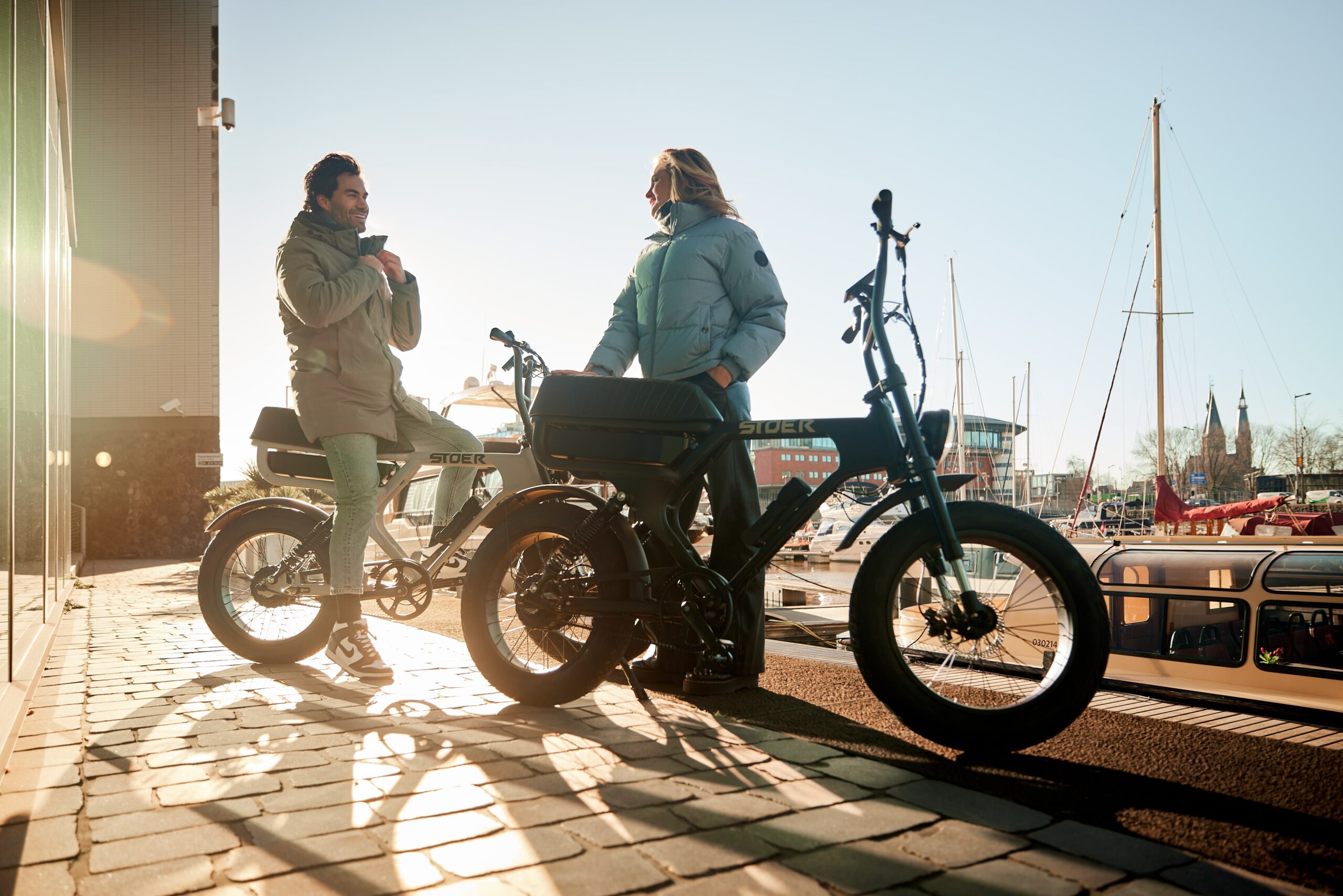
How do I choose the right frame size for a fatbike?
Comfort and control require the right frame size. Fatbikes feel different than conventional bikes. Specific geometry and wide tires cause this difference. Mountain bike-style fatbikes require 2.5 to 5 inches of headroom above the top tube as a basic rule.
Guidelines help in choosing the right size. Body height of 160-170 cm usually fits a 15-16 inch frame. People from 170-180 cm choose a 17-18 inch frame. Taller people from 180-190 cm fit a 19-20 inch frame. Testing different sizes is recommended, as personal preference and body proportion also play a role.
Reach (distance saddle to handlebars) and stack (handlebar height) also deserve attention. Recreational use requires a more upright position for comfort. Sportier, more forward leaning positions work more efficiently for longer trips or higher speeds.
Now you want to know more about which to choose the right frame size? Then see our blog about How to choose the right frame size.
What accessories are essential for my fatbike?
Fenders are almost indispensable for a fatbike, especially if you don't ride only in dry weather. Because of the wide tires, you need special fatbike fenders that provide adequate coverage. Good lighting is also essential, not only for visibility in the dark, but also for your own safety.
A sturdy bike lock is a wise investment, given the popularity and value of fatbikes. In addition, a frame bag, handlebar bag or rack are useful for carrying personal items, extra clothing or repair materials. For longer trips, a reliable bike computer or GPS unit is valuable for keeping track of your route and performance.
Specifically for fatbikes, a portable air pump with low-pressure measurement capability is crucial, as you'll want to regularly adjust your tire pressure for different surfaces. A pump with a digital display is ideal because of its precision at the low pressures fatbikes use.
Now you want to know what accessories we offer? Take a look at our accessories page.
Choosing the right fatbike for your adventures
The ideal fatbike depends on your specific needs, riding style and the terrain you will ride most often. Whether you're looking for a rugged companion for daily rides like the CityX or an adventure partner for off-road escapades, there is a fatbike to suit you. We see more and more cyclists opting for an electric version because of the extra range and ease of riding, but non-electric models also remain popular among purists.
At STOER Bikes we understand that buying a fatbike is an important investment. That's why we're happy to personally help you make the right choice based on your specific needs. Our focus on innovative belt drive instead of traditional chains means less maintenance and longer life - perfect for the demanding conditions fatbikes are often used in.
"Every cyclist has different needs, and we really tailor the advice to that," Joeri says. "Whether you're cruising around town or diving into the dunes, there's always a fatbike that fits exactly what you're looking for."
Still have questions about the possibilities? Feel free to contact us for personal advice and discover how a fatbike can take your cycling pleasure to the next level, in any season and on any terrain.


