Free delivery in NL and BE
Tested best in the Netherlands & Belgium with 8.5 and 8.2 by Fietstest.nl, Het AD and HLN

7 Cost savings experienced by bin bike owners over car ownership

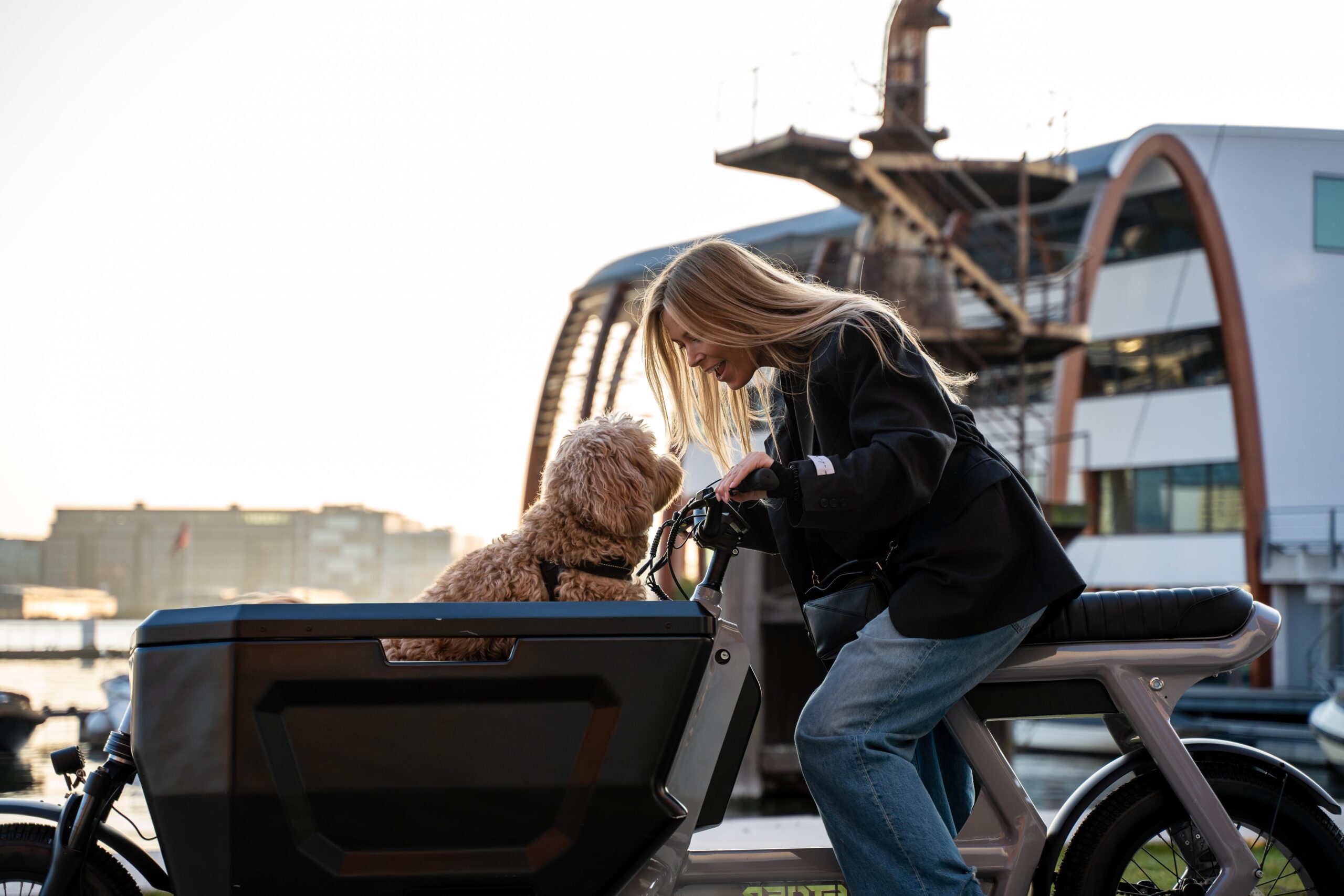
Dutch cityscapes are changing. Where traffic jams of cars used to meander through the streets, you now increasingly see colorful cargo bikes whizzing by. This trend is driven not only by environmental awareness, but also by practical considerations. Bakfietsen offer a freedom that cars in crowded inner cities simply cannot match.

Thomas: "What always strikes me is how our customers are surprised by the freedom a cargo bike gives. You maneuver easily through narrow streets, always find a parking spot and never have to stand in traffic jams."

Technological developments have also played an important role. With the advent of electric assistance and innovations such as belt drives, cycling has become more comfortable and low-maintenance. Increasingly, we see these practical benefits becoming the deciding factor, especially when combined with significant financial savings experienced by bin bike owners.
7 Cost savings experienced by bin bike owners over car ownership

1: Lower purchase cost than a car

When we compare the initial investment of a cargo bike to that of a car, the difference becomes immediately clear. A new mid-range car will soon cost you between €20,000 and €30,000. And that's before you've even driven a single kilometer. A high-quality electric cargo bike, on the other hand, is available from about €3,000 to €6,000, depending on the model and specifications.

Joeri: "I often see the surprise on customers' faces when they realize they can buy several cargo bikes for the price of one car. And our CargoX models last for years without major expenses."

Even when you choose a top-of-the-line electric cargo bike with all the modern gadgets like a belt drive, you stay well below the purchase price of even the cheapest new car. With a premium electric cargo bike, you're paying for years of worry-free riding without the financial hit that a car purchase brings.

2: Saving on fuel and energy costs.

The daily costs of driving are piling up fast. With current fuel prices, you quickly pay €1.80 per liter or more. For an average car, you end up with over €1,800 per year in fuel costs. And that's still a conservative estimate.

An electric cargo bike, on the other hand, has minimal energy costs. Charging a cargo bike battery costs about €0.15 to €0.25 per charge. With a range of 40-80 kilometers per charge, you come to only €45 to €90 in annual "fuel costs. That means a savings of more than €1,700 per year on energy alone.

Laurens: "The numbers don't lie. Where with a car you have to go to the gas station every week, you just charge our cargo bikes at home. It literally saves thousands of euros a year."

Money that you can invest in other important things in your life.

Want to know more about energy costs? Then read our blog "From gasoline to power: what does it cost to charge your cargo bike?"

3: Minimum maintenance costs thanks to belt drive

A car requires a lot of maintenance. Think about oil changes, brakes, tires, timing belt, and general servicing. An average car can easily cost €500 to €1,000 a year in maintenance, and that's if nothing unexpected breaks down.

Modern cargo bikes with belt drive on the other hand, require very little maintenance. Unlike traditional chain drives, you don't need to lubricate a belt, and it lasts much longer - often 20,000 kilometers or more without problems.

Thomas: "The belt drive is really a game-changer for maintenance. Customers tell me they don't have to do anything for years except inflate the tires. Not only does that save money, it saves time and hassle."

You save not only on material costs, but also on labor at the bike shop. The only regular maintenance a cargo bike needs is keeping the tires inflated and replacing the brake pads once in a while. Per year, €100 in maintenance will go a long way.

Want to know more about maintenance? Then read our blog "Maintenance-free riding: why a belt drive is so practical"

4: No more parking fees or fines

Parking in Dutch cities has become a costly affair. In Amsterdam, you pay an average of €7.50 per hour in the city center. If you need to be in the city regularly, this quickly adds up to hundreds of euros per month. Add to this the stress of looking for a parking spot and the risk of parking fines.

With a cargo bike, these worries are a thing of the past. You park almost anywhere for free, right in front of your destination. No driving around looking for a spot, no time pressure to be back before your parking time expires.

In an average city, this will quickly save you €50 to €200 per month, depending on how often you would normally park. Freedom that benefits not only your wallet, but also your peace of mind.

"The bike is perfect for people with long legs. Sitting comfort is perfect for long distances."
"Purchased a STOER Bike last year after trying several fatbikes. STOER is by far the best! Still very much enjoy my purchase. In addition, the service is top notch!"
"We have been riding a Stoer bicycle for a year now without any problems. Even the battery capacity has not deteriorated. And when you then see other brands where after a year the rust marks are visible I am glad I spent a little more and now have a bike made entirely of aluminum. And this one stays really neat!!!"
"Finally a fatbike you can ride without having your knees next to your ears."

5: How much will you save on insurance and road tax?

Car ownership comes with a number of fixed expenses that you simply cannot avoid. Road tax quickly costs between €400 and €1,200 per year. In addition, third-party insurance is required by law, with premiums starting at around €30 per month. Together, this adds up to €760 to €2,400 per year in fixed costs, before you have even driven a single kilometer.

A cargo bike, on the other hand, is exempt from road tax and insurance is not required by law. Many people do choose to insure their cargo bike against theft and damage, but the premiums are significantly lower.

Laurens: "For about €10 to €15 per month you already have a good cargo bike insurance. Compared to car insurance, you save hundreds of euros a year in fixed expenses."

A savings of at least €580 and possibly as much as €2,220 per year in fixed expenses. Money that comes back monthly and that you can spend on things that really matter.

7 Cost savings experienced by bin bike owners over car ownership

6: Health benefits that lead to financial savings

An often underrated benefit of regular cargo bike use is the positive impact on your health. Each ride is a light workout that adds to your daily exercise. Studies show that people who bike regularly are less likely to be sick, have a lower risk of cardiovascular disease, and generally experience better mental health.

These health benefits translate directly into financial benefits. Less sick leave means more productive days and potentially higher revenue. Fewer health problems mean lower health care costs and less deductible you have to meet.

In addition, you may save on gym fees since your daily exercise is already built into your mode of transportation. While these savings are harder to calculate precisely, they can add up to thousands of dollars over the years.

7: Increasing the value of your home without a parking space

An interesting economic effect of cargo bike ownership rather than car ownership is the impact on your housing situation. In many urban areas, a parking space or garage is a significant factor in house prices. A private parking space in Amsterdam can increase the value of a home by €50,000 or more.

When a cargo bike eliminates the need for a car, it opens up new possibilities. You can choose to buy a property without a parking space, which is considerably cheaper. Or you can rent out your existing garage, which in cities like Amsterdam, Utrecht or Rotterdam can save hundreds of euros per month.

Another option is to convert your garage into additional living space, home office or rentable space, which increases the value of your home. These indirect financial benefits can amount to tens of thousands of dollars over the years.

The total savings: a calculation that speaks for itself

When we add up all the savings, the financial picture becomes impressively clear. Over a five-year period, switching from car to cargo bike can easily save you €25,000 to €45,000, depending on the type of car you would otherwise drive and your usage patterns.

These savings not only benefit your wallet, but also contribute to a more sustainable future. Every mile you travel by cargo bike instead of by car reduces your carbon footprint and contributes to cleaner air in our cities.

Laurens: "At STOER Bikes we see daily how our customers enjoy this double benefit: financial freedom and a contribution to a better world. Our electric cargo bikes with belt drive combine the best of both worlds."

The practical convenience of motorized transportation with the financial and eco-friendly benefits of bicycles. Maybe it's time to do the math for yourself?