Your cargo bike is exposed to changing weather conditions all year round. From blazing hot summer days to freezing cold winter mornings. Each season brings different challenges for your electric cargo bike. With the right cargo bike maintenance per season, you can avoid unexpected repairs and keep your bike in top condition.
Free delivery in NL and BE
Tested best in the Netherlands & Belgium with 8.5 and 8.2 by Fietstest.nl, Het AD and HLN
Bakfiets maintenance: complete seasonal guide to 2026
You'll find this in the article
- Why cargo bike maintenance varies by season
- Bakfiets maintenance in spring: the big cleanup
- Bakfiets maintenance in summer: focus on the battery
- Bakfiets maintenance in autumn: preparing for wet weather
- Bakfiets maintenance in winter: extra care needed
- Monthly checklist for your cargo bike maintenance
- The advantage of belt drive in cargo bike maintenance
- Bakfiets maintenance and your warranty
- Summary: bakfiets maintenance by season
- Frequently asked questions about cargo bike maintenance
Why cargo bike maintenance varies by season
In the Netherlands, we cycle through rain, wind and occasionally snow. These weather conditions have a direct impact on components such as the battery, brakes and tires. A well-maintained cargo bike not only lasts longer, it also rides more safely. And that is exactly what you want when transporting children or valuable cargo.
"We regularly get questions from customers about when they should have their cargo bikes inspected," says Thomas, co-founder of STOER Bikes. "My advice is simple: match your maintenance to the seasons. That way you avoid problems and enjoy worry-free driving all year long."
This seasonal guide tells you exactly what your cargo bike maintenance should be for each period. From spring cleaning to the winter check. With practical tips you can do yourself and advice on when it's better to go to a specialist.
Bakfiets maintenance in spring: the big cleanup
Spring is the perfect time for thorough maintenance. Your cargo bike has weathered the winter and now deserves extra attention. This season is all about cleaning, checking and getting ready for the busier months.
Thorough cleaning after winter
Start with a complete cleaning. During the winter, your cargo bike has had to deal with road salt, mud and moisture. These substances can cause rust and wear if you don't remove them. Use lukewarm water with a mild detergent and a soft brush. Avoid pressure washers, as they can push water into electrical components.
Dry your cargo bike well with a clean cloth after washing. Pay extra attention to the places where water can remain, such as near the bearings and in the cargo box. A dry cargo bike is a happy cargo bike.
Check the drive
For cargo bikes with a chain drive, spring is the time to thoroughly clean and lubricate the chain. Also check that the chain is not overly stretched. A worn out chain will wear out your sprockets faster.
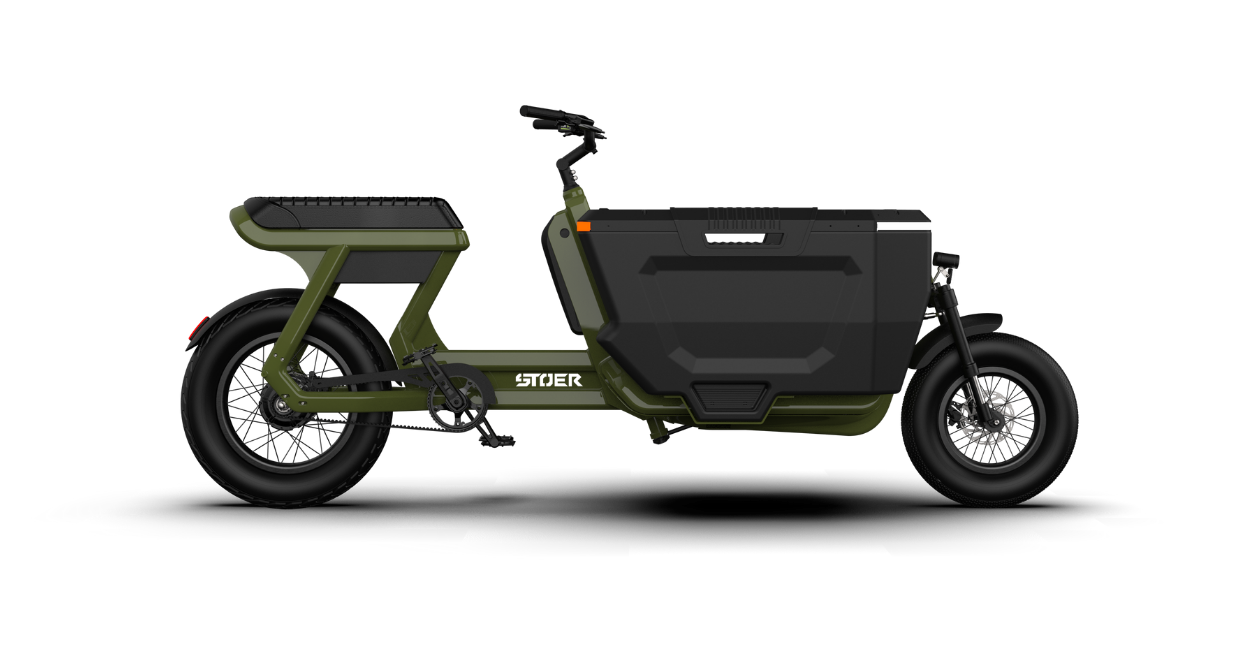
Do you have a cargo bike with belt drive, such as the STOER CargoX? Then you're in luck. The Gates CDX belt needs no lubrication and can withstand all weather conditions. Check the tension of the belt, though. Too loose a belt can slip, while too tight a belt causes extra wear on the bearings.
Checking brakes and tires
Check the thickness of your brake pads. After a wet winter, they may be worn out faster. With hydraulic brakes, such as the Tektro brakes on STOER models, also check the brake level. Do you feel the brake lever coming through too far? If so, have a specialist bleed the brakes.
Tire pressure is especially important in spring. Cold temperatures may have caused your tires to lose some air. Inflate them to the recommended pressure listed on the tire sidewall. Properly inflated tires roll lighter and wear more evenly.
Want to know more about wide tires on a cargo bike? Then read our blog about the benefits of a fatbak bike.
Bringing battery out of hibernation
Did you keep the battery inside during the coldest period? Great. Put the battery back in your cargo bike and charge it fully. Check the contacts for corrosion and clean them with a dry cloth if necessary.
A tip: after the first few trips, take a test drive of at least 20 kilometers. This way you will fully activate all the cells in the battery again. You will notice that the range will return to normal after a few rides.
Bakfiets maintenance in summer: focus on the battery
Summer may seem like the easiest season for your cargo bike. No rain, no cold. Yet this season requires specific attention, especially for the battery. After all, heat can be just as damaging as cold.
Protect your battery from heat
Temperatures above 25 degrees are not ideal for lithium-ion batteries. Extreme heat above 35 degrees can even reduce the life of your battery. Therefore, park your cargo bike in the shade as much as possible. Never leave the battery in direct sunlight.
Going somewhere for coffee or shopping? Take the battery inside if you need to leave the cargo bike in the sun for an extended period of time. The battery of the CargoX is removable, so that's a snap. This little extra effort extends the life of your battery by years.
Tire pressure in the heat
Heat causes the air in your tires to expand. This can cause the tire pressure to become higher than desired. Therefore, check the pressure regularly, preferably early in the morning when the tires are still cool. Excessive pressure reduces grip and driving comfort.
The thick tires of a fatbakfiets, by the way, suffer less from this. Due to the larger air volume, pressure differences are less extreme. Still, checking remains important, especially when transporting children.
Keeping the bin clean
In the summer, many families use cargo bikes for trips to the beach or pool. However, sand and chlorinated water can be harmful to your cargo bike. After a beach trip, rinse the cargo bike with clean water and let it dry thoroughly.
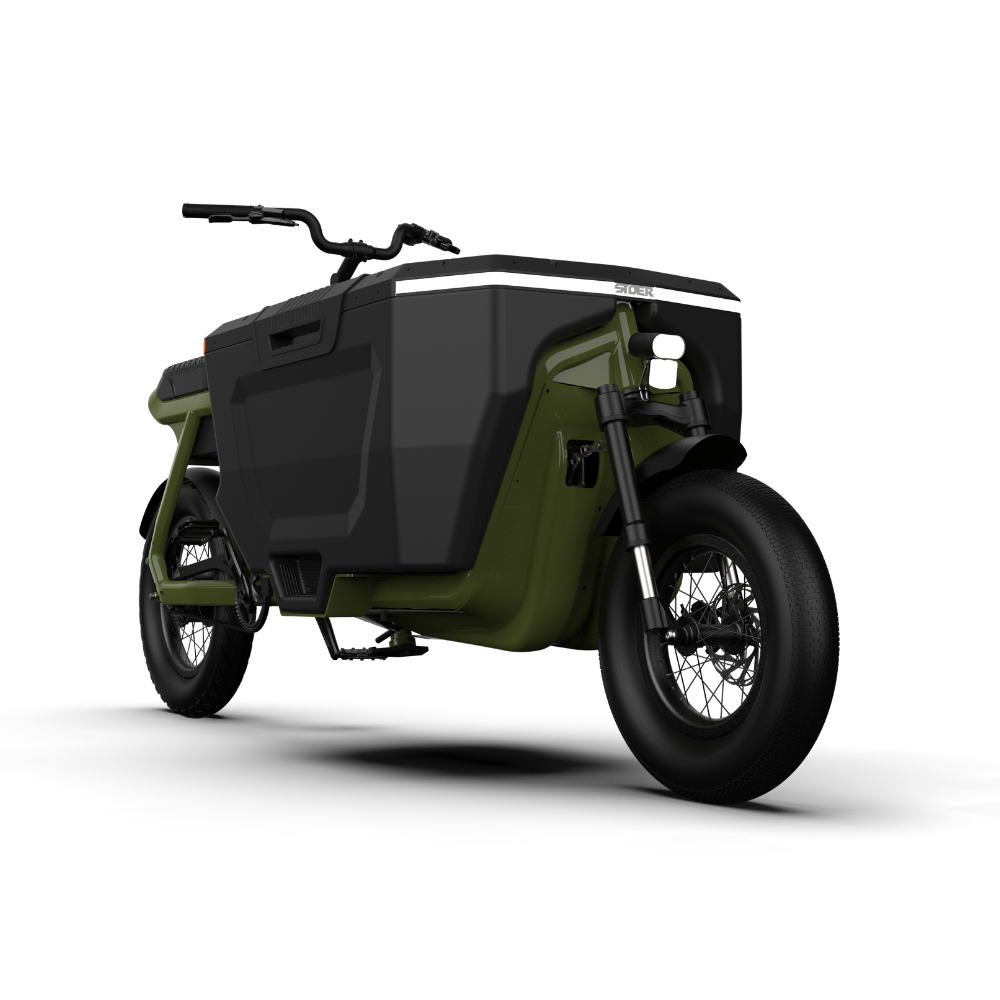
The CargoX's EPP bin is fully recyclable and water-resistant. Still, it's smart not to let sand and dirt accumulate. A clean bin is more pleasant for your children and prevents scratches in the material.
Checking Lighting
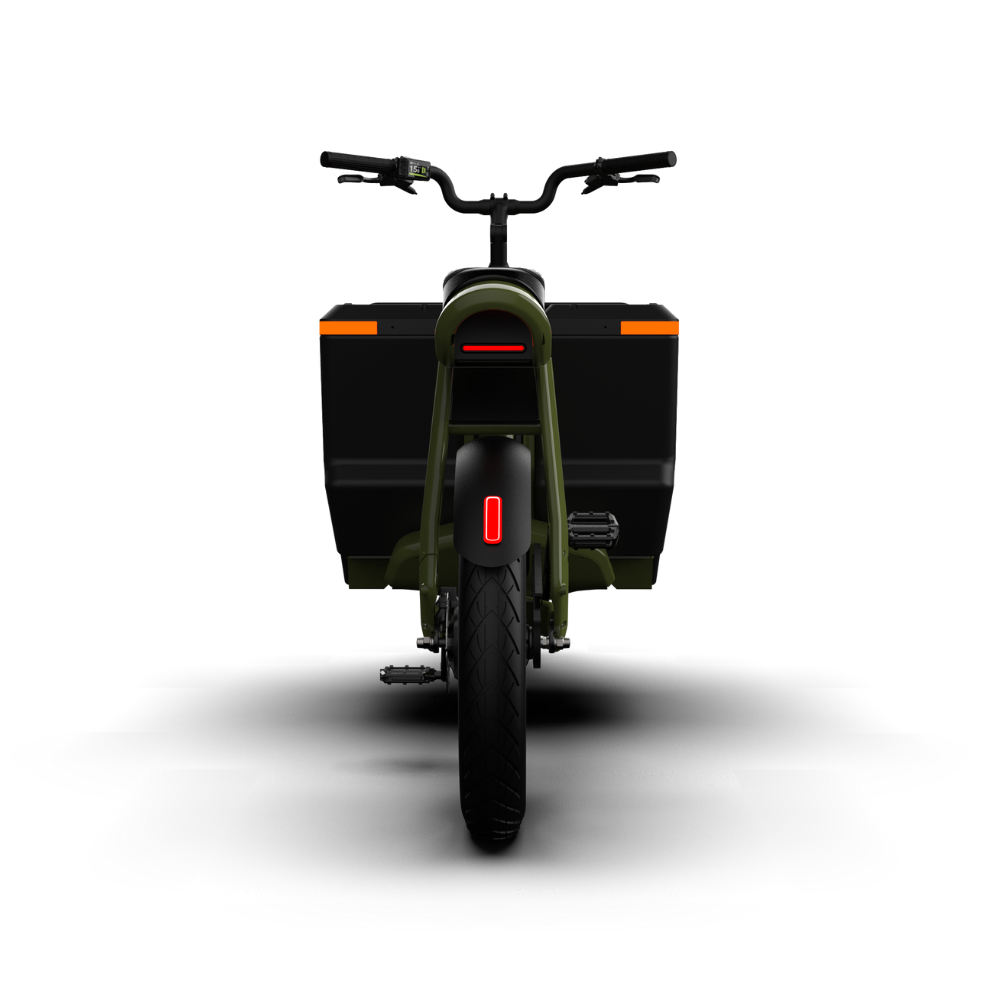
Although the days are long, it's smart to check your lighting. Summer thunderstorms can cause sudden darkness. Test that all your lights are working, including the turn signals if your cargo bike has them. The CargoX has a complete LED system with daytime running lights and integrated turn signals, just like a car.
Want to learn more about cargo bike safety features? Then check out our blog on the safest cargo bike for families.
Bakfiets maintenance in autumn: preparing for wet weather
Autumn is the season of falling leaves, rain and wind. Your cargo bike will have more to endure again. This is the time to prepare for the coming winter months and to check critical components.
Brakes extra important
Wet leaves on the bike path can be pitch black. Your brakes should therefore be in top condition. Check the brake pads for wear and replace them if they are thinner than 2 millimeters. With hydraulic disc brakes, also check that the discs are not warped.
Make a few test brakes on a quiet stretch of road. Do you hear squeaking or scratching noises? Then it's time for maintenance. Properly working brakes are not a luxury but a necessity, especially with children in the box.
Winterizing lighting
The days are getting shorter. Starting in October, you'll soon be biking to school or work in the dark. Check all lights: front light, rear light, brake light and any turn signals. Replace weak bulbs and clean reflectors.
Consider additional reflective elements on your cargo bike and on your children's clothing. Visibility is everything in the dark season. The Bicycle Association advises driving with proper lighting at all times, even during the day in poor visibility.
Checking chain or belt
With a chain drive, autumn is the time to switch to winter oil. Wet oil stays on better in rain and protects your chain from rust. Re-lubricate the chain after every wet ride.
Do you have a belt drive? Then you don't have this hassle. The Gates CDX belt is made of carbon and cannot rust. You only need to check the tension. In cold temperatures, rubber can become slightly less flexible, so check that the belt is still properly tensioned.
Preparing battery for the cold
The battery performs best at temperatures between 10 and 20 degrees. Once the temperature drops below 10 degrees, the range may decrease. Start by learning good habits: take the battery inside when you park the cargo bike.
Charge the battery pack at room temperature. Charging a cold battery directly can damage the cells. Let the battery warm up for an hour before connecting the charger.
Accessories for autumn
This is the time to install your rain canopy or rain tent if you haven't already done so. Check that the zippers are working properly and that there are no tears in the material. A broken rain canopy is worse than no rain canopy because your children will still get wet but expect to stay dry.
For the CargoX, there is a special rain hood available that fits perfectly on the bin. This will keep your children dry and out of the wind during the school ride.
Bakfiets maintenance in winter: extra care needed
Winter is the toughest season for your cargo bike. Cold, damp, road salt and sometimes even snow put a lot of strain on your bike. With the right cargo bike maintenance you'll get through the winter without any problems.
Battery care in the cold
This is the most important part of your winter maintenance. At temperatures around freezing, your battery's range may decrease up to 25%. This is normal and temporary. Once the weather warms up, the capacity recovers.
Follow these tips for your battery in winter:
- Store the battery indoors at room temperature when not cycling
- Charge the battery at room temperature, never immediately after a cold ride
- Never drain the battery completely to prevent deep discharge
- For long-term storage, use a charge level of 50-70%
- Recharge at least every three months when not using the cargo bike
The CargoX's 960Wh battery is removable, making it easy to take it indoors. This larger battery has a range of 60-100 kilometers, depending on the load and driving style. In winter, you can count on the lower part of that range.
The ANWB warns against deep discharge: a battery that sits empty for too long can be damaged beyond repair. Prevent this by cycling or recharging the battery regularly.
Road salt is your enemy
Road salt is great for slippery roads, but a disaster for your cargo bike. The salt attracts moisture and accelerates rusting. Therefore, rinse your cargo bike regularly with clean water after a ride on gritted roads.
Pay extra attention to the following items:
- The chain or belt and sprockets
- The brake discs and pads
- All bolted joints and bearings
- The contact points of the battery
A cargo bike with an aluminum frame, like the STOER models, suffers less from this. Aluminum cannot rust. Nevertheless, regular cleaning remains important for the moving parts.
Braking in winter conditions
Did you know that brake cables can freeze? If there is moisture in the cables, they can jam in freezing temperatures. Hydraulic brakes, such as on the CargoX, do not have this problem thanks to their closed system.
Before every ride, check that your brakes are working properly. Make a few test brakes before you hit the busy road. Notice the brakes don't grab properly? Then let your cargo bike warm up inside for a while before you leave.
Tire pressure and grip
Cold air shrinks, reducing tire pressure. Therefore, check the pressure more often than in other seasons. For extra grip in winter, lower the pressure slightly, to about 25-40% above the minimum indicated on the tire.
A fatbakfiets's extra-wide tires naturally offer more grip. They don't get stuck in streetcar rails and provide more stability on slippery surfaces. This is a big advantage in winter.
Winter accessories for comfort
For the CargoX, optional saddle and hand heating available. This makes cycling in the cold a lot more pleasant. Cold hands are not only unpleasant, but also dangerous because your ability to brake and steer is impaired.
Don't forget the rain canopy or rain tent, either. In winter, it protects not only from rain, but also from cold winds. Your kids will be dry and relatively warm while you brave the elements.
"We have been riding a Stoer bicycle for a year now without any problems. Even the battery capacity has not deteriorated. And when you then see other brands where after a year the rust marks are visible I am glad I spent a little more and now have a bike made entirely of aluminum. And this one stays really neat!!!"

What are the main conclusions about the weight difference between drive systems?

"Purchased a STOER Bike last year after trying several fatbikes. STOER is by far the best! Still very much enjoy my purchase. In addition, the service is top notch!"

"The bike is perfect for people with long legs. Sitting comfort is perfect for long distances."

Monthly checklist for your cargo bike maintenance
In addition to seasonal maintenance, it's smart to do a quick check every month. This won't cost you more than 15 minutes and prevents small problems from becoming big ones.
Quick monthly check-up
Take a moment each month to address these points:
- Check tire pressure and inflate if necessary
- Test the operation of all lighting
- Check that the brakes grip properly
- Listen for unusual sounds during a short test drive
- Check that all nuts and bolts are still tight
- Clean the bin of dirt and debris
For a chain-driven cargo bike, you also lubricate the chain monthly. With a belt drive, you check the tension and remove any dirt with a dry cloth.
When to see the specialist?
Some maintenance tasks are best left to a professional. Schedule major maintenance at least once a year at a licensed bike shop or dealer. Go sooner if you notice any of these signs:
- The brakes feel spongy or do not grip well anymore
- You hear creaking or grinding noises when pedaling
- Engine makes unusual noises or falters
- Range decreased sharply for no apparent reason
- Error messages appear on the display
Want to know more about maintaining electric cargo bikes with belt drive? Then read our extensive blog about 8 frequently asked maintenance questions.
The advantage of belt drive in cargo bike maintenance
One of the biggest differences in maintenance intensity is in the drive train. Traditional chains require a lot of attention: lubrication, tensioning, cleaning and regular replacement. A belt drive makes your life a lot easier.
Why a belt requires less maintenance
The Gates CDX belt used by STOER Bikes is made of carbon. This material has some great advantages for maintenance:
- No lubrication required, so no dirty hands or stains on your clothes
- Cannot rust even after rides through rain or snow
- Lasts 3 to 5 times longer than a traditional chain
- Works more quietly, which is nice in residential areas
- Does not suffer from road salt or dirt
"The belt drive was a conscious choice," Thomas explains. "Our customers want a cargo bike that just works, without having to constantly think about the chain. With a belt, you don't have that hassle."
What you do need to check
A belt is not completely maintenance-free. Check the tension regularly. A properly tensioned belt gives about 1 centimeter when you press into the middle of it. Too loose means slippage, too tight means extra wear on the bearings.
Also inspect the belt for visible wear. Small cracks or frays are a sign that replacement is imminent. With normal use, a Gates CDX belt will last many years, but preventive replacement at the first signs of wear will prevent you from getting stranded along the way.
Bakfiets maintenance and your warranty
Regular maintenance is not only good for your cargo bike, but also for your warranty. Most manufacturers place conditions on maintenance to maintain your warranty.
First checkup
With a new cargo bike, an initial checkup is mandatory within 4-12 weeks or after the first 100-500 kilometers. During this turn, cables and spokes are checked, which will stretch a bit in the early days. Do not skip this turn or your warranty may be voided.
Annual maintenance
To maintain the warranty, most brands require professional maintenance at least once a year. Keep the receipts as proof.
STOER Bikes offers a 2-year warranty on the battery, motor and all moving parts. The frame of the CargoX even has a 5-year warranty. By maintaining your cargo bike properly, you will get the most out of this warranty period.
Want to know more about insurance and warranty? Then check out the insurance page of STOER Bikes for information on the specially designed bicycle insurance.
Summary: bakfiets maintenance by season
Good cargo bike maintenance doesn't have to be complicated. By tuning your attention to the seasons, you will keep your cargo bike in top condition and avoid unexpected problems.
Here is an overview of the most important maintenance items each season:
| Season | Main maintenance points |
|---|---|
| Spring | Thorough cleaning, check drive train, check brakes and tires, activate battery |
| Summer | Protect battery from heat, check tire pressure, keep bucket clean, check lights |
| Autumn | Check brakes, winterize lights, check chain/belt, install rain cover |
| Winter | Keeping battery inside, rinsing road salt, testing brakes, creating extra grip |
With a belt-driven cargo bike, like the STOER CargoX, you save a lot of maintenance time. No hassle with lubrication, no rusting chain, and a longer life of the drive. This leaves you more time for what really matters: cycling with your family or keeping your business running.
Have questions about maintaining your cargo bike? Get in touch with the team at STOER Bikes. We will be happy to help you.
Frequently asked questions about cargo bike maintenance
How often should I have my cargo bike serviced?
Schedule at least one professional maintenance service per year. In addition, do a short monthly check on tire pressure, brakes and lights. For heavy use, such as daily commuting or business use, a major service twice a year is recommended.
Should I keep my battery inside in the winter?
Yes, this is highly recommended. In temperatures below 10 degrees, store the battery indoors at room temperature. Also, always charge the battery at room temperature, not immediately after a cold ride. This will prevent capacity loss and extend its life.
What is the difference in maintenance between a chain and a belt?
A chain drive requires regular lubrication, cleaning and tensioning. A belt drive such as the Gates CDX requires no lubrication, cannot rust and lasts 3-5 times longer. You only need to check the tension periodically.
How do I protect my cargo bike from road salt?
Rinse your cargo bike with clean water after every ride on gritted roads. Pay extra attention to the drive train, brakes and bearings. An aluminum frame cannot rust, but moving parts can suffer from salt deposits.
Can I do the maintenance of my electric cargo bike myself?
Many basic tasks you can do yourself: inflate tires, check lights, clean the body and store the battery properly. For adjusting brakes, replacing parts and checking the electrical system, it's better to go to a specialist.
How long does the battery of an electric cargo bike last?
With proper maintenance, a battery will last an average of 3-5 years. You extend its life by not letting the battery run down completely, storing and charging it at room temperature, and using it regularly. STOER Bikes provides a 2-year warranty on the battery.


