Free delivery in NL and BE
Tested best in the Netherlands & Belgium with 8.5 and 8.2 by Fietstest.nl, Het AD and HLN

9 Questions to ask before buying a premium fatbike

The electric fatbike The electric fatbike has made an impressive advance in the Netherlands in recent years. With their robust appearance, wide tires and powerful electric support, these bikes offer a unique combination of adventure and practical convenience. More and more cyclists are opting for premium models distinguished by innovative technologies such as belt drive and high-quality materials.

Buying a premium fatbike is no small investment. A thoughtful choice can make the difference between years of cycling fun or regular frustration. In this article, we discuss the nine most important questions you should ask yourself before buying a premium fatbike. By answering these questions, you will make an informed choice that perfectly suits your needs and circumstances.

1: What is the difference between a traditional and a premium fatbike?

A traditional fatbike and a premium fatbike differ in several important ways. Whereas a standard fatbike is often equipped with basic components, a premium model is characterized by high-quality materials, advanced technology and durable construction.

With premium fatbikes, you more often see frames made of lightweight materials such as aluminum or even carbon. These materials not only make the bike lighter, but also stronger and more durable. In addition, premium models are distinguished by innovative drive systems. Whereas traditional fatbikes often have a standard chain drive, premium models are increasingly equipped with a belt drive that is low-maintenance, quiet and more durable.

Electrical components also differ significantly. Premium fatbikes feature more powerful motors, intelligent controllers and batteries with greater capacity and life. This translates into a better riding experience, longer range and fewer maintenance concerns.

2: Which type of drive is the most low-maintenance?

With fatbikes, you mainly have two options: the traditional chain drive or the more modern belt drive. A belt drive offers significant advantages in terms of maintenance. Unlike a chain, a belt does not need to be lubricated, keeping your hands and clothes clean. Also, a belt wears out much less quickly than a chain, resulting in a longer life - often 2 to 3 times longer than a traditional chain.

Chain drives require regular maintenance: cleaning, lubrication and tensioning. With intensive use or riding in poor weather conditions, this must be done even weekly. Belt drives, on the other hand, require hardly any maintenance. An occasional cleaning with water is usually sufficient to keep the belt in optimal condition.

In addition to ease of maintenance, belt drives offer other benefits: they are quieter while riding, have no corrosion, and offer smoother, more direct power transmission. These features make belt drives ideally suited to premium fatbikes, where reliability and ease of maintenance are important factors.

3: How important is battery capacity for your use?

Battery capacity is a crucial factor in choosing an electric fatbike and should be tailored to your specific needs. Capacity, measured in watt-hours (Wh), determines how far you can ride on one charge. For short city rides, a smaller battery of 400-500Wh may be sufficient, while adventurous rides in challenging terrain call for 600-750Wh or even more.

In addition to capacity, charging time is also important. Modern premium fatbikes have batteries that fully charge in 3-4 hours. Some models offer quick-charge features that allow you to top up enough range for a return trip in a short time. If you use the fatbike daily for commuting, a model with fast-charging capabilities is worth considering.

When determining the ideal battery capacity, consider factors that affect range: your weight, the assistance mode chosen, the terrain (slopes consume more energy), weather conditions and riding style. A bigger battery means more weight, but also more freedom and less "range anxiety" - the stress of running out of power on the road.

4: Does the frame size fit your build?

The correct frame size is essential for comfort, efficiency and safety while riding. A frame that is too small creates an uncomfortable, inefficient riding position, while a frame that is too large makes handling the bike more difficult and unsafe. With fatbikes, the right size is especially important because of their higher weight and specific handling characteristics.

To determine the optimal frame size, your inseam is a crucial measurement. Measure this while standing barefoot, with your legs about 15-20 cm apart. Multiply this measurement by 0.66 for a frame height guideline. Keep in mind that fatbikes usually have a different sizing system than regular bikes, often in S, M, L, XL instead of centimeters.

The right frame size allows you to cover longer distances without discomfort. You should be able to reach the ground easily with both feet when standing still, and your arms should be slightly bent when holding the handlebars. Are you hesitating between two sizes? Then choose the smaller size on a fatbike, as it offers more maneuverability, especially in challenging terrain.

5: What warranty does the manufacturer offer on the frame and electronics?

Warranty terms tell a lot about the confidence a manufacturer has in its product. With premium fatbikes, you can expect an extended warranty, especially on the frame and electrical components. A high-quality frame should have at least a 5-year warranty against manufacturing defects, while the electrical components are typically covered for 2-3 years.

Pay close attention to exactly what is covered under the warranty. Some manufacturers offer comprehensive coverage that even includes wear parts and battery degradation, while others are limited to just manufacturing defects. The service policy is also important: Is there a pickup service if something goes wrong? Can you contact local dealers for warranty claims, or does the bike have to be sent back to the manufacturer?

A good warranty not only reflects the quality of the bike, but also offers peace of mind. When you invest in a premium fatbike, you want to be assured that this investment is protected. Always ask for full warranty terms and compare them between different providers before making a decision.

6: Are the components easy to replace or upgrade?

Parts availability and compatibility is a factor that is often overlooked but can have a big impact in the long run. With a premium fatbike, you don't want to end up in the situation where your bike can't be used for weeks because a specific part isn't available.

Preferably choose a fatbike with standard bicycle components or parts that are widely available. This makes future maintenance and repairs easier and more affordable. Also pay attention to the modularity of the bike: can parts be easily replaced without specialized tools? Is the bike designed with future upgrades in mind?

The best premium fatbikes combine unique, innovative features with practical consideration for maintenance. A well-designed bike allows you to replace or upgrade parts without having to replace the entire bike. This not only extends the life of your investment, but also provides the flexibility to adapt your bike to changing needs.

7: Is the fatbike suitable for your terrain and weather conditions?

Fatbikes are designed to perform in a variety of conditions, but not all models are equally suited to all terrain types and weather conditions. Before purchasing a premium fatbike, it is essential to evaluate where and how you will primarily use it.

For urban use, a CityX with good road tires, lighter frame materials and efficient electric support is ideal. Do you ride mainly on sand or in snow? Then you need extremely wide tires with good tread and possibly a more powerful motor to help you through the tough terrain. For use in the woods or on unpaved trails, shock absorbers and sturdy construction are important.

Weather conditions also play a role. In the Netherlands, where rain is a constant factor, you'll want a fatbike with good protection for the electrical components and a waterproof battery. If you plan to ride in all seasons, consider a model with extra corrosion protection and fully sealed bearings. By taking your specific circumstances into account, you'll choose a fatbike that performs optimally in your situation.

8: What are the hidden costs with a premium fatbike?

When buying a premium fatbike, you're probably looking at the purchase price, but there are several hidden costs to consider. First, there is regular maintenance. Although premium models are often low-maintenance, things like tire replacements, brake pads and periodic checkups will continue to be necessary. Inquire about the cost of standard maintenance and the recommended frequency.

Good insurance is almost essential with a premium fatbike. The annual premium can range from €100 to €300, depending on the value of the bike and the coverage. There are also accessories you may want to purchase: sturdy locks, fenders, lights, phone holders or luggage racks. These can easily add several hundred euros to the total investment.

Longer term, you have to consider battery replacement. A quality battery usually lasts 3-5 years (or 500-1000 charge cycles) and a replacement costs between €400 and €800. By including these costs in advance, you can avoid unpleasant surprises and get a more realistic picture of the total cost of ownership of your premium fatbike.

9: How sustainable is the manufacturer's production process?

Sustainability has become more than a buzzword - it is an essential consideration in any purchase. With premium fatbikes, sustainability is not only about the life of the product, but also about the carbon footprint of the manufacturing process and the company behind the bike.

Investigate how transparent the manufacturer is about its manufacturing process. Are sustainable materials used? Is there a policy for reducing waste and emissions? Some progressive manufacturers use recycled materials for frames and components, implement energy-efficient production methods or offset their carbon emissions.

End-of-life considerations are also important. Is the bike designed with recycling in mind? Does the manufacturer offer a take-back program for old batteries and electronics? By choosing a manufacturer that values sustainability, you're not only contributing to a better environment, you're often choosing a product made with more care and attention.

Worth the investment: Optimal enjoyment of your premium fatbike

Purchasing a premium fatbike is an important decision that should be made with care. By answering the nine questions in this article, you can make a choice that perfectly suits your needs, expectations and circumstances.

The right premium fatbike offers years of riding pleasure with minimal worry. Whether you choose a model with belt drive for low-maintenance riding, or prioritize long range with a powerful battery - the key lies in making an informed choice that suits your personal situation.

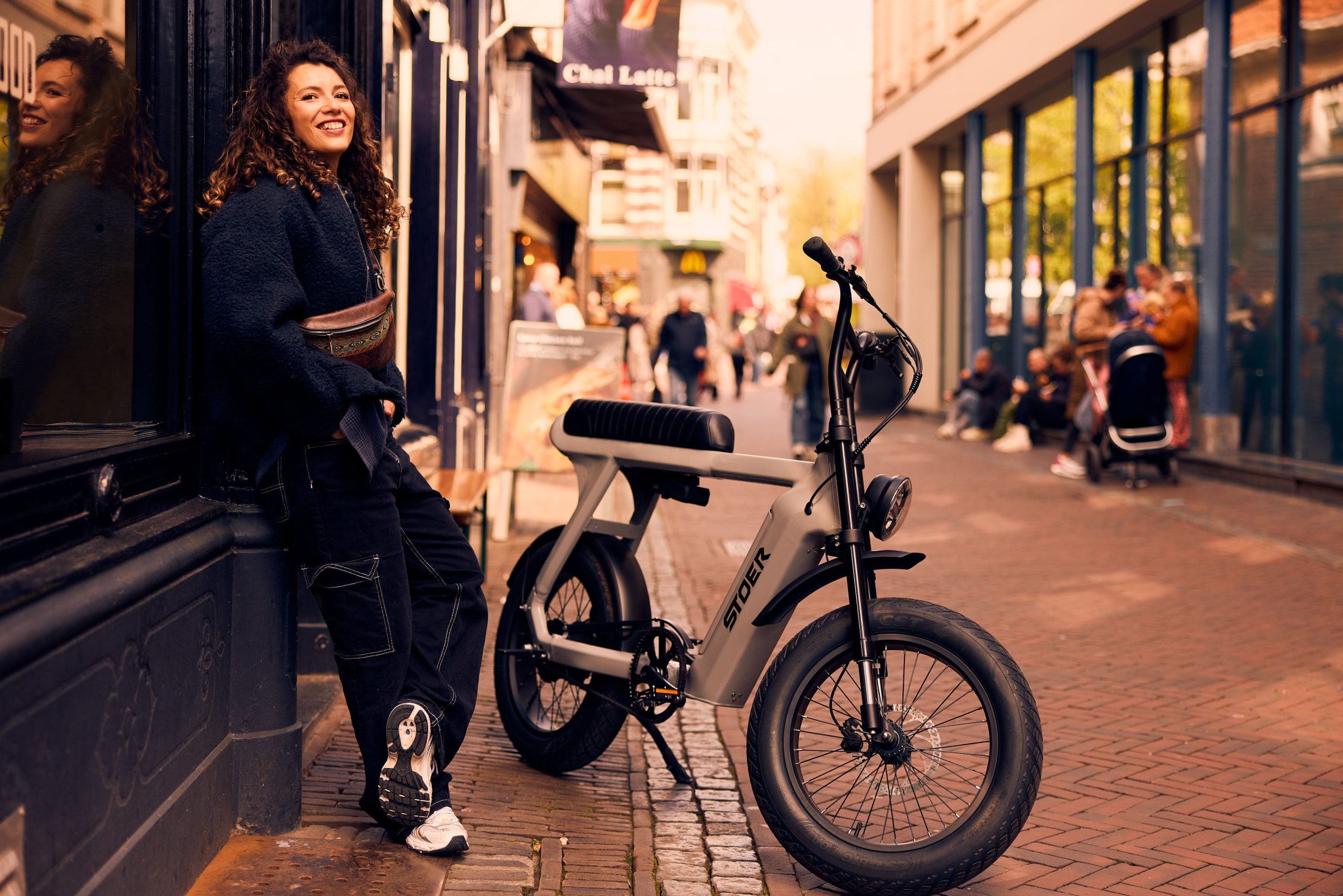
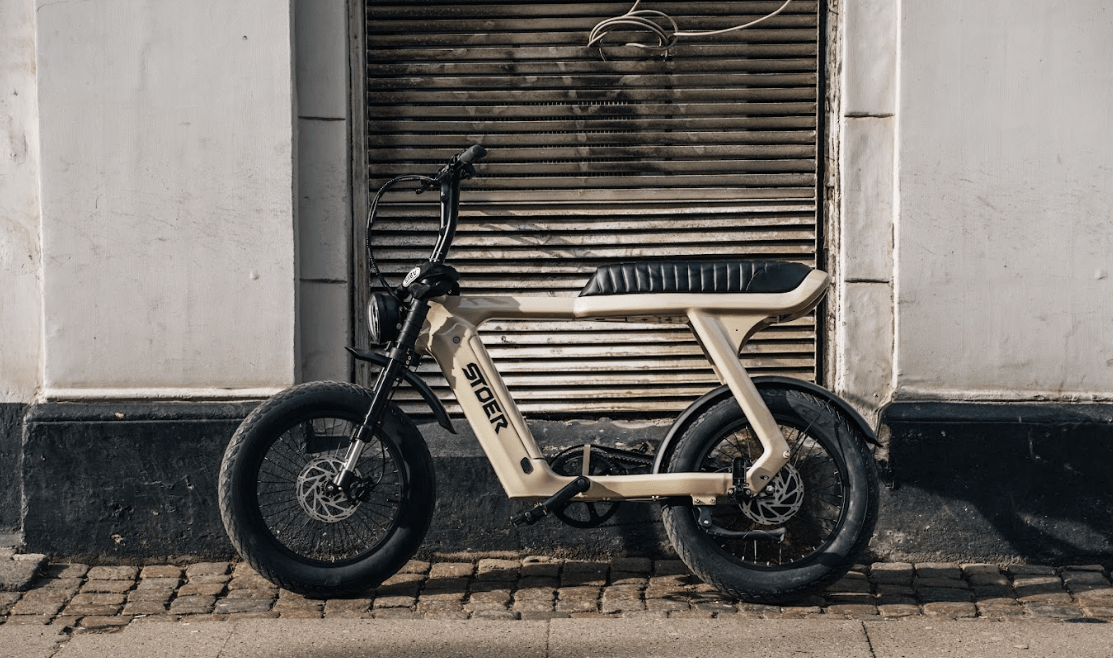
At  STOER Bikes we understand that every rider has unique needs. That's why we offer premium fatbikes that combine innovation, durability and ease of use. Our models are designed with the Dutch riding conditions in mind and built to last. Take the time to make the right choices, and you'll be rewarded with endless adventures on two wheels.
What is the difference between a traditional and a premium fatbike?

A traditional fatbike and a premium fatbike differ in several important ways. Whereas a standard fatbike is often equipped with basic components, a premium model is characterized by high-quality materials, advanced technology and durable construction.

With premium fatbikes, you more often see frames made of lightweight materials such as aluminum or even carbon. These materials not only make the bike lighter, but also stronger and more durable. In addition, premium models are distinguished by innovative drive systems. Whereas traditional fatbikes often have a standard chain drive, premium models are increasingly equipped with a belt drive that is low-maintenance, quiet and more durable.

Electrical components also differ significantly. Premium fatbikes feature more powerful motors, intelligent controllers and batteries with greater capacity and life. This translates into a better riding experience, longer range and fewer maintenance concerns.

Which type of drive is the most low-maintenance?

With fatbikes, you mainly have two options: the traditional chain drive or the more modern belt drive. A belt drive offers significant advantages in terms of maintenance. Unlike a chain, a belt does not need to be lubricated, keeping your hands and clothes clean. Also, a belt wears out much less quickly than a chain, resulting in a longer life - often 2 to 3 times longer than a traditional chain.

Chain drives require regular maintenance: cleaning, lubrication and tensioning. With intensive use or riding in poor weather conditions, this must be done even weekly. Belt drives, on the other hand, require hardly any maintenance. An occasional cleaning with water is usually sufficient to keep the belt in optimal condition.

In addition to ease of maintenance, belt drives offer other benefits: they are quieter while riding, have no corrosion, and offer smoother, more direct power transmission. These features make belt drives ideally suited to premium fatbikes, where reliability and ease of maintenance are important factors.

9 Questions to ask before buying a premium fatbike

How important is battery capacity for your use?

Battery capacity is a crucial factor in choosing an electric fatbike and should be tailored to your specific needs. Capacity, measured in watt-hours (Wh), determines how far you can ride on one charge. For short city rides, a smaller battery of 400-500Wh may be sufficient, while adventurous rides in challenging terrain call for 600-750Wh or even more.

In addition to capacity, charging time is also important. Modern premium fatbikes have batteries that fully charge in 3-4 hours. Some models offer quick-charge features that allow you to top up enough range for a return trip in a short time. If you use the fatbike daily for commuting, a model with fast-charging capabilities is worth considering.

When determining the ideal battery capacity, consider factors that affect range: your weight, the assistance mode chosen, the terrain (slopes consume more energy), weather conditions and riding style. A bigger battery means more weight, but also more freedom and less "range anxiety" - the stress of running out of power on the road.

Does the frame size fit your build?

The correct frame size is essential for comfort, efficiency and safety while riding. A frame that is too small creates an uncomfortable, inefficient riding position, while a frame that is too large makes handling the bike more difficult and unsafe. With fatbikes, the right size is especially important because of their higher weight and specific handling characteristics.

To determine the optimal frame size, your inseam is a crucial measurement. Measure this while standing barefoot, with your legs about 15-20 cm apart. Multiply this measurement by 0.66 for a frame height guideline. Keep in mind that fatbikes usually have a different sizing system than regular bikes, often in S, M, L, XL instead of centimeters.

The right frame size allows you to cover longer distances without discomfort. You should be able to reach the ground easily with both feet when standing still, and your arms should be slightly bent when holding the handlebars. Are you hesitating between two sizes? Then choose the smaller size on a fatbike, as it offers more maneuverability, especially in challenging terrain.

What warranty does the manufacturer offer on the frame and electronics?

Warranty terms tell a lot about the confidence a manufacturer has in its product. With premium fatbikes, you can expect an extended warranty, especially on the frame and electrical components. A high-quality frame should have at least a 5-year warranty against manufacturing defects, while the electrical components are typically covered for 2-3 years.

Pay close attention to exactly what is covered under the warranty. Some manufacturers offer comprehensive coverage that even includes wear parts and battery degradation, while others are limited to just manufacturing defects. The service policy is also important: Is there a pickup service if something goes wrong? Can you contact local dealers for warranty claims, or does the bike have to be sent back to the manufacturer?

A good warranty not only reflects the quality of the bike, but also offers peace of mind. When you invest in a premium fatbike, you want to be assured that this investment is protected. Always ask for full warranty terms and compare them between different providers before making a decision.

"Purchased a STOER Bike last year after trying several fatbikes. STOER is by far the best! Still very much enjoy my purchase. In addition, the service is top notch!"
"We have been riding a Stoer bicycle for a year now without any problems. Even the battery capacity has not deteriorated. And when you then see other brands where after a year the rust marks are visible I am glad I spent a little more and now have a bike made entirely of aluminum. And this one stays really neat!!!"
What are the main conclusions about the weight difference between drive systems?
"The bike is perfect for people with long legs. Sitting comfort is perfect for long distances."

Are the components easy to replace or upgrade?

Parts availability and compatibility is a factor that is often overlooked but can have a big impact in the long run. With a premium fatbike, you don't want to end up in the situation where your bike can't be used for weeks because a specific part isn't available.

Preferably choose a fatbike with standard bicycle components or parts that are widely available. This makes future maintenance and repairs easier and more affordable. Also pay attention to the modularity of the bike: can parts be easily replaced without specialized tools? Is the bike designed with future upgrades in mind?

The best premium fatbikes combine unique, innovative features with practical consideration for maintenance. A well-designed bike allows you to replace or upgrade parts without having to replace the entire bike. This not only extends the life of your investment, but also provides the flexibility to adapt your bike to changing needs.

Is the fatbike suitable for your terrain and weather conditions?

Fatbikes are designed to perform in a variety of conditions, but not all models are equally suited to all terrain types and weather conditions. Before purchasing a premium fatbike, it is essential to evaluate where and how you will primarily use it.

For urban use, a CityX with good road tires, lighter frame materials and efficient electric support is ideal. Do you ride mainly on sand or in snow? Then you need extremely wide tires with good tread and possibly a more powerful motor to help you through the tough terrain. For use in the woods or on unpaved trails, shock absorbers and sturdy construction are important.

Weather conditions also play a role. In the Netherlands, where rain is a constant factor, you'll want a fatbike with good protection for the electrical components and a waterproof battery. If you plan to ride in all seasons, consider a model with extra corrosion protection and fully sealed bearings. By taking your specific circumstances into account, you'll choose a fatbike that performs optimally in your situation.

What are the hidden costs with a premium fatbike?

When buying a premium fatbike, you're probably looking at the purchase price, but there are several hidden costs to consider. First, there is regular maintenance. Although premium models are often low-maintenance, things like tire replacements, brake pads and periodic checkups will continue to be necessary. Inquire about the cost of standard maintenance and the recommended frequency.

Good insurance is almost essential with a premium fatbike. The annual premium can range from €100 to €300, depending on the value of the bike and the coverage. There are also accessories you may want to purchase: sturdy locks, fenders, lights, phone holders or luggage racks. These can easily add several hundred euros to the total investment.

Longer term, you have to consider battery replacement. A quality battery usually lasts 3-5 years (or 500-1000 charge cycles) and a replacement costs between €400 and €800. By including these costs in advance, you can avoid unpleasant surprises and get a more realistic picture of the total cost of ownership of your premium fatbike.

9 Questions to ask before buying a premium fatbike

How sustainable is the manufacturer's production process?

Sustainability has become more than a buzzword - it is an essential consideration in any purchase. With premium fatbikes, sustainability is not only about the life of the product, but also about the carbon footprint of the manufacturing process and the company behind the bike.

Investigate how transparent the manufacturer is about its manufacturing process. Are sustainable materials used? Is there a policy for reducing waste and emissions? Some progressive manufacturers use recycled materials for frames and components, implement energy-efficient production methods or offset their carbon emissions.

End-of-life considerations are also important. Is the bike designed with recycling in mind? Does the manufacturer offer a take-back program for old batteries and electronics? By choosing a manufacturer that values sustainability, you're not only contributing to a better environment, you're often choosing a product made with more care and attention.

Worth the investment: Optimal enjoyment of your premium fatbike

Purchasing a premium fatbike is an important decision that should be made with care. By answering the nine questions in this article, you can make a choice that perfectly suits your needs, expectations and circumstances.

The right premium fatbike offers years of riding pleasure with minimal worry. Whether you choose a model with belt drive for low-maintenance riding, or prioritize long range with a powerful battery - the key lies in making an informed choice that suits your personal situation.

At  STOER Bikes we understand that every rider has unique needs. That's why we offer premium fatbikes that combine innovation, durability and ease of use. Our models are designed with the Dutch riding conditions in mind and built to last. Take the time to make the right choices, and you'll be rewarded with endless adventures on two wheels.