Free delivery in NL and BE
Tested best in the Netherlands & Belgium with 8.5 and 8.2 by Fietstest.nl, Het AD and HLN

10 Reasons why city dwellers are flocking to fatbikes

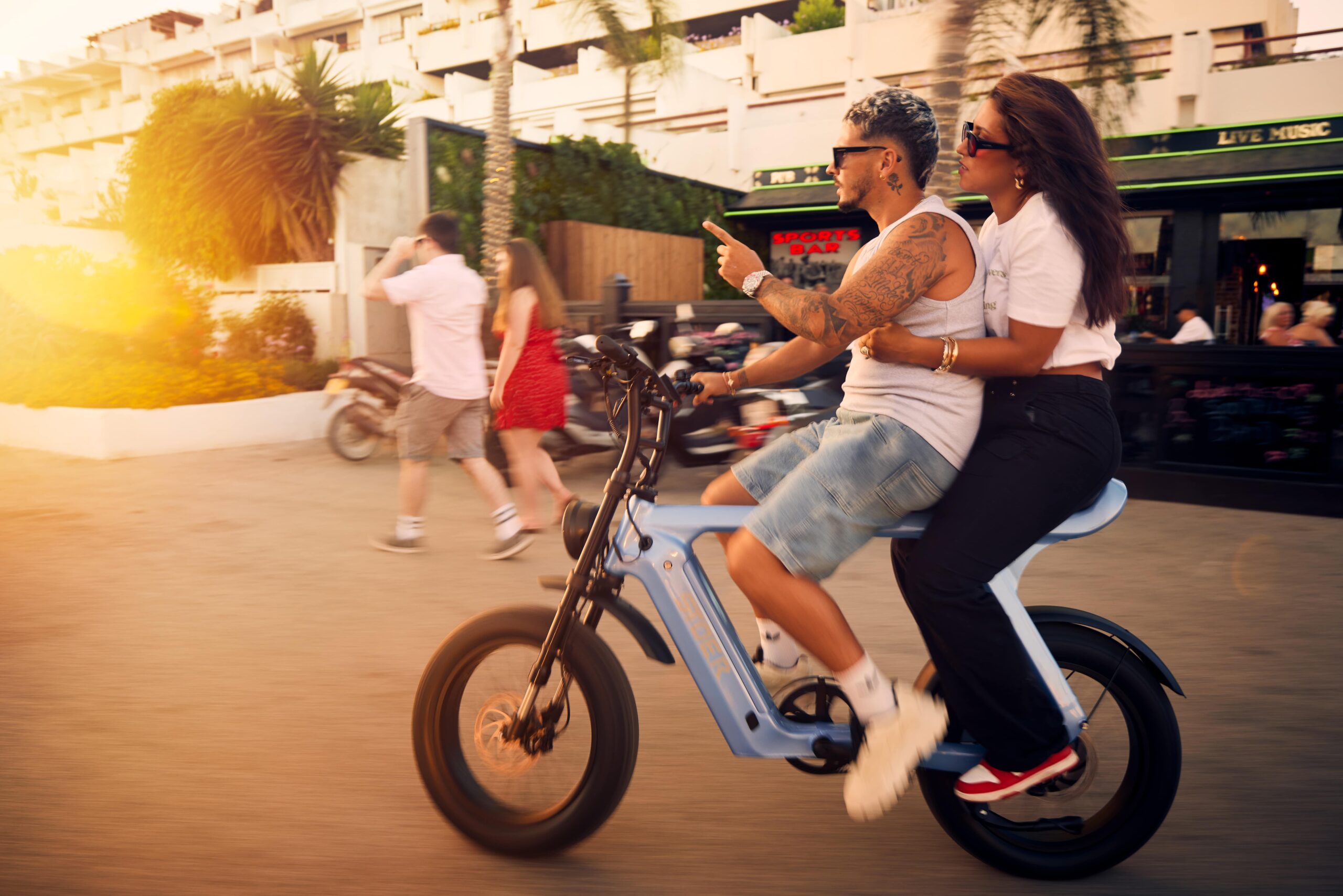
Electric fatbikes are rapidly gaining popularity in Dutch cities these days. However, it is in fact no coincidence that more and more city dwellers are trading in their cars for these eye-catching bikes. Moreover, this shift is more than a fleeting trend. Instead, it represents a fundamental change in how we move through the city.

Thomas: "What strikes me, for example, is that fatbikes perfectly suit city life. After all, they offer comfort, maneuverability and durability. In short, exactly what the modern urbanite needs."

In addition, offer fatbikes a unique combination that suits modern needs. Then, in this article, we dive into the ten main reasons. But why are fatbikes conquering the hearts of city dwellers? And why is this trend only getting stronger?
10 Reasons why city dwellers are flocking to fatbikes

1: The rise of fatbikes in Dutch cities

First and foremost, they have fatbikes has undergone a remarkable transformation in recent years. Namely, from niche product to mainstream means of transportation in Dutch cities. What was once seen as a specialty bicycle is now popular for daily use. However, this shift is due to the increasing demand for sustainable mobility solutions.

In addition, urban infrastructure is also changing to accommodate this trend. In addition, more and more municipalities are investing in wider bike lanes and better bicycle facilities. As a result, the use of fatbikes even more attractive.

Thus, these bikes with their distinctive wide tires fit perfectly into that development. Whereby they ensure a more livable environment for everyone.

1: Superior stability on various substrates

First, one of the most compelling advantages of fatbikes is their exceptional stability. After all, the wide tires, often between 10 and 12 cm, much more contact surface. This translates directly into a safer driving experience on a variety of surfaces. Such as from streetcar rails and cobblestones to slippery cobblestones and unpaved park paths.

In addition, city dwellers especially appreciate how fatbikes effortlessly handle urban obstacles. For example, manhole covers, small potholes and bumps are largely absorbed by the wide tires. Whereas on a regular bike these cause annoying jolts.

Laurens: "After all, the stability is really the big difference. That's why customers tell me they feel much more confident while driving. Especially in busy urban environments where safety is paramount."

Thus, it not only gives cyclists more confidence. But it also reduces the risk of falling or skidding.

3: Less maintenance thanks to belt drive

A revolutionary development in the fatbike world is the switch to belt drive. This system offers numerous advantages for city dwellers. Especially for people who have little time for bicycle maintenance. Unlike a metal chain, a belt does not require lubrication. This means no dirty hands and no oil stains on your clothes.

Belt drive is virtually maintenance-free and lasts much longer. While a chain stretches and rusts over time, a belt continues to function for years. This is especially advantageous in the Dutch climate with lots of rain.

Thomas: "Our customers are always surprised by how little maintenance a belt drive requires. Just grab it and go, with no worries. That's exactly what busy city dwellers want."

This means fewer workshop visits and lower maintenance costs. For busy city dwellers, this is the ideal solution.

Want to know more about belt drives? Then read our blog "Maintenance-free cycling: the 5 benefits of belt drive“

4: Increased comfort in daily commutes

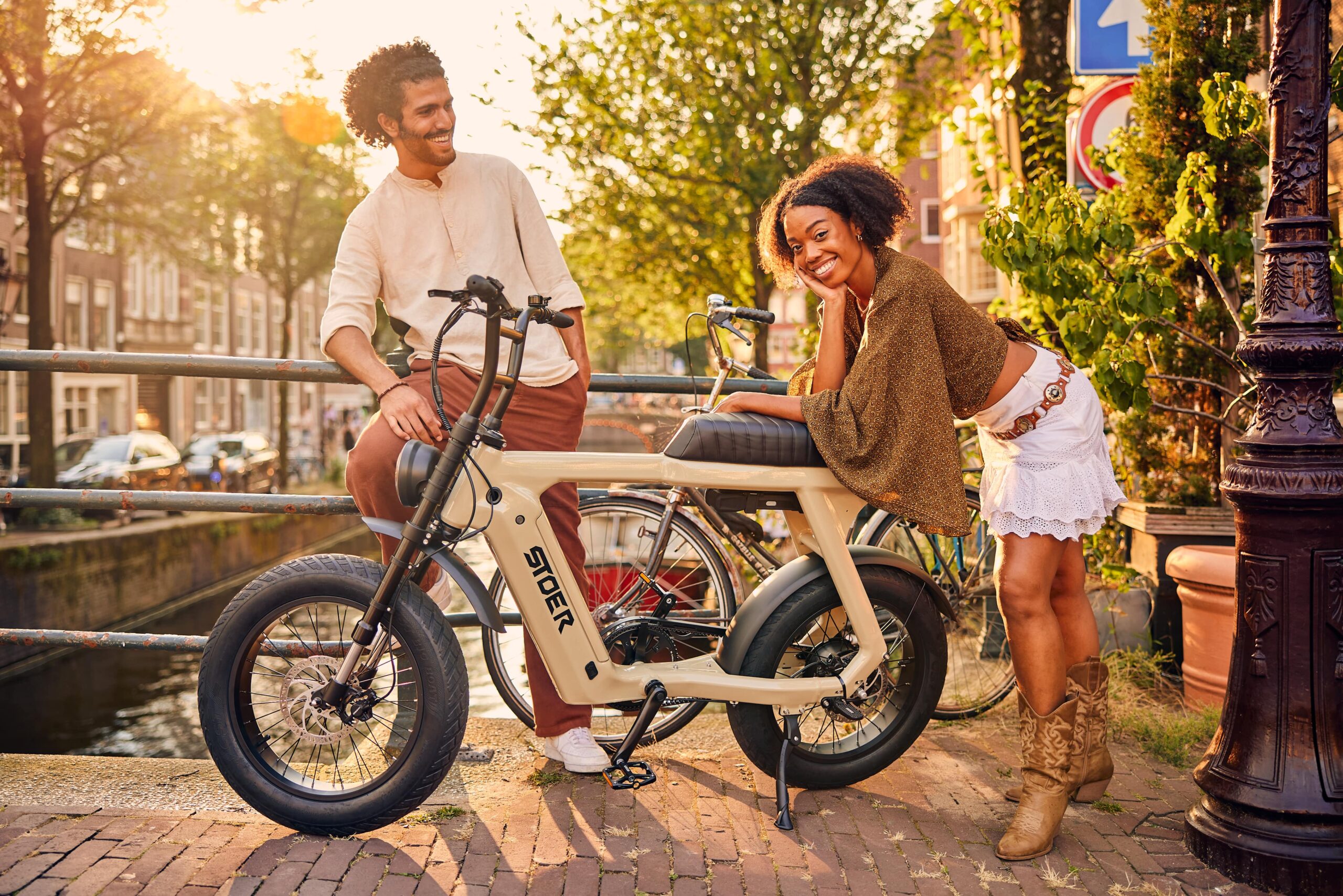
For daily commuters, offer fatbikes a level of comfort that conventional city bikes cannot match. The wide tires act as natural shock absorbers. They absorb vibrations and shocks from the road surface. This makes a world of difference when cycling through the city every day.

The comfort of fatbikes goes beyond just the tires. The geometry is often designed with a more relaxed seating position. This reduces back pain and offers a more comfortable posture during longer rides.

Many modern electric fatbikes have ergonomic grips and comfortable saddles. Sometimes even suspension in the front fork.

5: Versatility for different seasons and weather conditions

The Dutch climate is known for its unpredictability. Rain, wind and sometimes even snow during the year. Fatbikes excel precisely under these changing conditions. The wide tires offer exceptional grip on wet roads. They can even ride through light snow where normal bikes would slide.

Robust construction makes them more resistant to Dutch weather conditions. The electrical components of modern e-fatbikes are well protected from water. The belt drive does not rust like a traditional chain.

This makes fatbikes a reliable means of transportation for all seasons.

"Finally a fatbike you can ride without having your knees next to your ears."
"Purchased a STOER Bike last year after trying several fatbikes. STOER is by far the best! Still very much enjoy my purchase. In addition, the service is top notch!"
"We have been riding a Stoer bicycle for a year now without any problems. Even the battery capacity has not deteriorated. And when you then see other brands where after a year the rust marks are visible I am glad I spent a little more and now have a bike made entirely of aluminum. And this one stays really neat!!!"
"The bike is perfect for people with long legs. Sitting comfort is perfect for long distances."

6: Improved visibility and safety in heavy city traffic

In heavy city traffic, visibility is vital for cyclists. Fatbikes have a distinct advantage in terms of conspicuity. Their larger and more imposing profile stands out more than traditional bikes. Car drivers, pedestrians and other road users are more likely to notice fatbikes.

In addition to their naturally striking appearance, fatbikes also offer a firmer foothold on the road. The stable handling allows cyclists to ride more confidently. They can better take their place in traffic.

Many modern electric fatbikes have powerful LED lights as standard. Reflective elements and sometimes even turn signals also increase safety.

7: Sustainable mobility solution with low environmental impact

At a time when climate awareness is growing, more and more city dwellers are choosing sustainable transportation options. Electric fatbikes represent one of the most environmentally friendly means of transportation. They produce no emissions during use. They take up minimal space compared to cars.

By switching to a fatbike, city dwellers contribute directly to reduced traffic congestion. Also to improved air quality and reduced noise pollution in urban areas. The batteries of modern electric fatbikes last longer and longer and are recyclable.

Joeri: "For city dwellers who want to reduce their carbon footprint, this is ideal. You don't sacrifice mobility and convenience. It fits a sustainable, forward-looking lifestyle."

This further reduces their life-cycle impact.

8: Electric support for effortless commuting

The combination of fatbikes with electric assistance has transformed urban mobility. With a UrbanX electric fatbike, longer distances suddenly become accessible. You won't arrive at your destination sweaty. The powerful engines offer support up to 25 mph.

Electric fatbikes are particularly attractive for city commuters. You can travel comfortably and quickly without the disadvantages of public transportation. No delays, no searching for parking spaces and no crowded streetcars.

Laurens: "The range of modern e-fatbikes is impressive. Often between 50 and 100 kilometers on a single charge. More than enough for most daily rides."

For people who live a little farther from work, this is a realistic alternative.

10 Reasons why city dwellers are flocking to fatbikes

9: How much does a fatbike save in the long run?

The initial investment in a quality fatbike may seem substantial. However, when you look at the total cost over several years, the financial benefit quickly becomes apparent. Compared to a car, a fatbike user saves significantly on various costs. Fuel, insurance, road tax, parking fees and maintenance can amount to thousands of dollars annually.

Even compared to public transportation, fatbikes come off favorably financially. An annual public transport pass quickly costs €1,500-€2,500. The operating costs of an electric fatbike are barely €100-€200 per year.

Thomas: "After the initial purchase, you already recoup the investment within 2-3 years. Moreover, quality bikes with belt drive their value well."

This means that if you sell, you will still get a significant portion back.

10: Increased loading capacity for daily groceries

The robust construction of fatbikes is not only advantageous for stability. It also offers impressive options for carrying gear. With a carrying capacity significantly higher than conventional bikes, fatbikes are perfect for errands. Also for transporting work materials or picking up children from school.

The possibilities are further expanded with specially designed accessories. From spacious panniers and sturdy front carriers to cargo bike variants. These offer a complete alternative to a second family car.

Yuri: "Fatbikes can be adapted to virtually any transportation need. For city dwellers, this means one means of transportation for virtually all daily transportation needs."

This is not only practical but also contributes to a simplified lifestyle.

The future of urban mobility on two wheels

The rise of fatbikes in Dutch cities is not a short-lived trend. It is a logical evolution in the way we move around the city. With their unique combination of comfort, safety, durability and practical advantages, they perfectly meet modern needs.

The ten reasons show why more and more people are making the switch. From superior stability and reduced maintenance to cost savings and environmental friendliness. As cities continue to move toward more sustainable mobility solutions, fatbikes will play an increasingly important role.

Laurens: "At STOER Bikes we see this development every day. The increasing interest in our chainless fatbikes with belt drive is huge. We believe this type of bicycle is essential for more livable cities."

Have you considered switching to a fatbike yourself? The advantages speak for themselves. The barrier is getting lower and lower as technology improves. Which of the listed reasons would be decisive for you?