Free delivery in NL and BE
Tested best in the Netherlands & Belgium with 8.5 and 8.2 by Fietstest.nl, Het AD and HLN

How does frequent use of electric assistance affect battery life?

Frequent use of electric assistance on your e-bike affects your battery life in several ways. In general, the more frequently and intensively you use the electrical support used, the faster the capacity of your battery decreases.

"Many people think they are destroying their battery by driving it a lot," says Joeri. "That's only partly true. It's mostly about how you handle it. With the right habits, you'll get more out of it for years."

Modern lithium-ion batteries typically have a life of 500-1000 full charge cycles. In daily use with high levels of support, this can mean that your battery has noticeably less capacity after 2-4 years. The good news is that with proper use and charging habits, you can significantly extend the life.
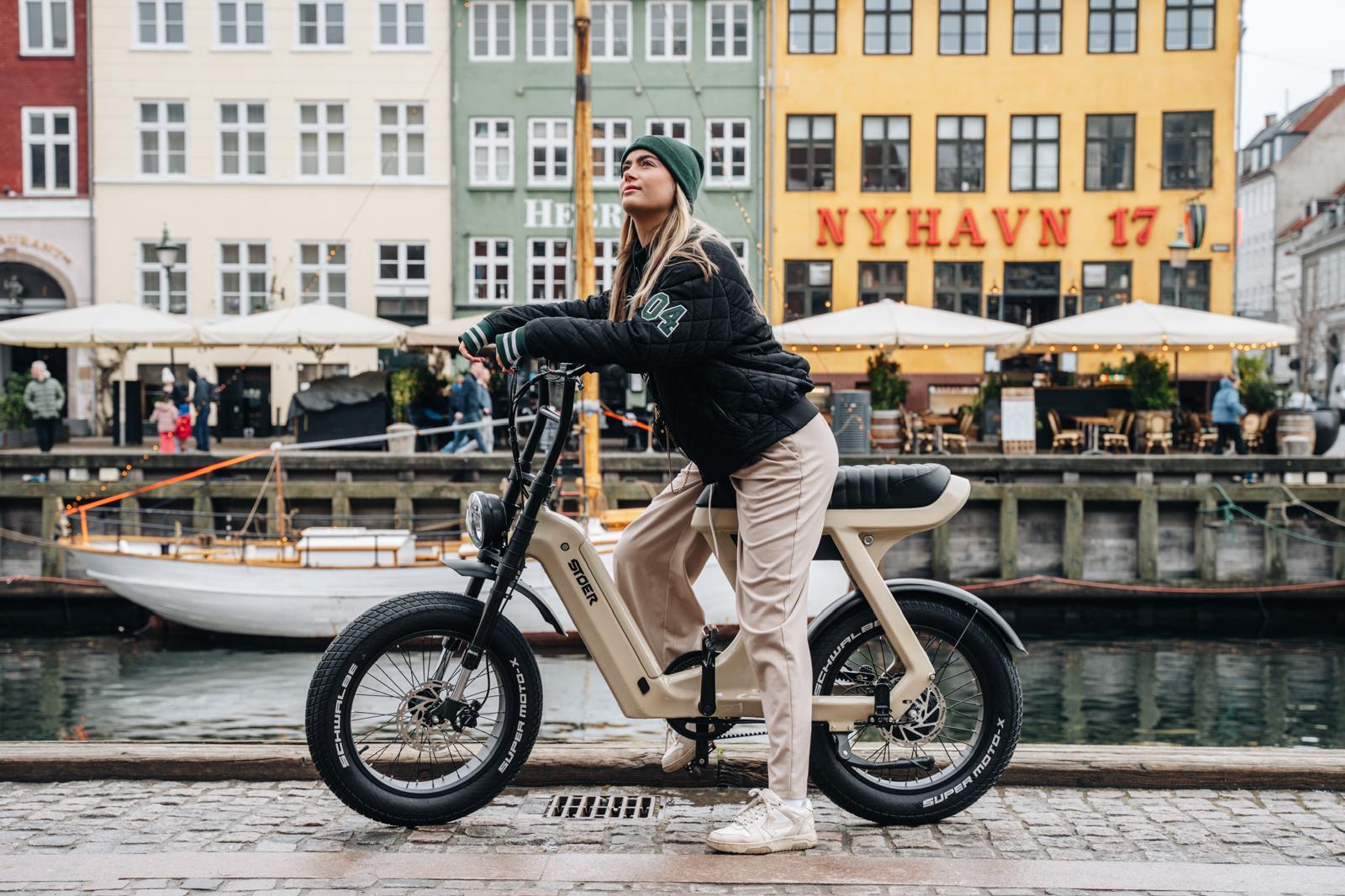
What does frequent use of electric assistance mean for your battery?

Frequent use of electrical support provides more charge cycles, which directly affects the life of your battery. Every e-bike battery has a limited number of full charge cycles before its capacity decreases noticeably.

"It's actually very simple," Joeri explains. "Every battery has some kind of counter. Every time you drive it completely empty and recharge it, that counter goes one step further. After 500 to 1,000 times, you notice that the battery doesn't go as far."

A lithium-ion battery loses about 20-30% of its original capacity after about 500-1000 full charge cycles. This does not mean that the battery completely stops working, but you will find that the range gradually decreases.

The usage pattern plays a crucial role here. Regular short trips with intermittent charging is often more beneficial to the battery than long trips that drain the battery completely.

For daily commuters, it is therefore important to be mindful of battery charging cycles.

How does frequent use of electric assistance affect battery life?

How does support level affect battery life?

The assistance level you choose has a direct impact on both the range per charge and the overall life of your battery. Higher assistance levels consume significantly more energy than lower levels.

In eco mode, the engine consumes minimal energy and you make most of the effort yourself. This extends your range up to 140 kilometers. Normal mode offers a more balanced distribution, with a range of about 60-100 kilometers. The highest setting provides maximum power but can limit your range to 40-60 kilometers.

Constant use of high assistance levels not only allows for faster discharge but also leads to more full charge cycles. For optimal battery usage, it is recommended to vary the assistance levels.

What is the optimal charging frequency for an e-bike battery?

The optimal charging frequency for an e-bike battery is to charge it when its capacity is between 20% and 30%, and not to wait until the battery is completely dead.

"This is one of the biggest misconceptions," warns Joeri. "People still think they have to drive their battery completely empty before charging. That was with old batteries, but now it's actually bad."

Fully discharging is detrimental to lithium-ion batteries and can significantly shorten their life. In modern e-bike batteries, partial charges are actually more favorable for service life.

An ideal charging pattern: charge your battery after use when it is below 50%, but before it drops below 20%. Try not to keep the battery constantly at 100%, as this can also cause stress.

For everyday use, it is fine to use the batteries charging overnight. Be careful not to leave the battery on the charger unnecessarily long after reaching 100%.

"Finally a fatbike you can ride without having your knees next to your ears."
"The bike is perfect for people with long legs. Sitting comfort is perfect for long distances."
"We have been riding a Stoer bicycle for a year now without any problems. Even the battery capacity has not deteriorated. And when you then see other brands where after a year the rust marks are visible I am glad I spent a little more and now have a bike made entirely of aluminum. And this one stays really neat!!!"
"Purchased a STOER Bike last year after trying several fatbikes. STOER is by far the best! Still very much enjoy my purchase. In addition, the service is top notch!"

How do temperatures affect the life of your e-bike battery?

Temperature has a significant impact on the life and performance of your e-bike battery. Lithium-ion batteries perform best at moderate temperatures between 10°C and 25°C.

"In the winter, I get a lot of questions from customers who think their battery is broken," Joeri says. "But it's often just the cold. As soon as the weather gets warmer, they perform normally again."

At temperatures below freezing, capacity temporarily decreases, resulting in a reduced range. This is a temporary effect; once the battery warms up again, normal capacity returns. However, charging an ice-cold battery can cause permanent damage.

High temperatures are even more damaging. Prolonged exposure to temperatures above 30°C accelerates the chemical aging processes in the battery. Therefore, preferably park your electric bike in the shade during hot summer days.

For optimal performance: store your bike and battery indoors when not in use, and avoid prolonged exposure to direct sunlight.

What are the benefits of a belt drive on your battery consumption?

A belt drive, as we use in our e-bikes, offers significant advantages for your battery consumption compared to traditional chain drives.

"The difference is really noticeable," Joeri stresses. "With our belt drive the battery lasts longer because less energy is lost. Plus you never have to lubricate or check the voltage again."

With a chain drive, energy is lost due to friction, especially when the chain is not perfectly clean and lubricated. A belt drive has significantly less friction, which directly results in more efficient energy transfer.

The smoother power transmission means that the electric motor does not have to work as hard to deliver the same performance. This reduces the load on both the motor and battery, resulting in less energy consumption per kilometer.

In addition, the efficiency of a belt drive consistent over time, because there is no stretching as with a chain.

Want to know more about belt drives? Then read our blog "What makes STOER Bikes unique in the market?"

How does frequent use of electric assistance affect battery life?

How do you recognize wear on your e-bike battery?

Recognizing battery wear is important to address problems early. The most obvious sign of an aging battery is a gradual decline in range.

"Customers often ask me: when should I replace my battery?" says Joeri. "I always say: if you're getting noticeably less far than at the beginning, and have been for months, then it's time to take a look."

Watch for the following signs of battery wear: reduced range despite full charging, faster discharge of the battery indicator, inconsistent performance where support becomes unpredictable, longer charging time, and overheating during charging or use.

A healthy lithium-ion battery normally loses about 5-10% of its capacity per year. If you notice your range decreasing dramatically by more than 20% within a short period of time, this may indicate a problem.

Check regularly that the contact points of your battery are clean and free of corrosion. If you experience persistent problems, it is advisable to have it checked by a specialist.

What can you do to extend the life of your e-bike battery?

There are several practical steps you can take to maximize the life of your e-bike battery. With proper care, you can enjoy years more of optimal performance.

The main tips: avoid full discharge by charging before the battery drops below 20%, avoid constant full charge, always use the right charger, protect against extreme temperatures, vary your assistance levels, keep the battery clean and dry, and use it regularly even in winter.

If you do not use your e-bike for an extended period of time, store the battery separately in a cool, dry place with a charge level of about 50-60%. This prevents deep discharge and minimizes aging processes.

Invest in regular maintenance of your electric bike. A well-maintained powertrain puts less strain on the motor and, therefore, the battery.

Want to know more about maintenance? Then read our blog "How do I maintain my electric fatbike?"

Key insights on battery use and life

After going over all the aspects surrounding the use of your e-bike battery, there are some key points to remember to maximize longevity.

"It's all about conscious use," concludes Joeri. "You don't have to be afraid to ride your e-bike a lot. Just the opposite - the more you ride, the more you have of it. Just make sure you use it properly."

How you use your electric assist has a direct impact on how long your battery lasts. By making conscious choices in support levels, charging habits and protection from temperature effects, you can significantly extend its life.

The smart use of assistance levels not only saves your battery but also improves your own fitness. Combine this with optimal charging behavior and you'll find that your battery lasts longer.

Our belt drive offers an additional advantage due to more efficient energy transfer, resulting in lower energy consumption and therefore fewer charging cycles. By using your e-bike battery consciously, you contribute to a longer life and sustainability.

Want to learn more about our innovative technology? Then read our blog "STOER Bikes: Two brothers reinventing the E-bike world"