Free delivery in NL and BE
Tested best in the Netherlands & Belgium with 8.5 and 8.2 by Fietstest.nl, Het AD and HLN

Is the electric fatbike the future of e-mobility?

The cycling landscape is changing rapidly with the rise of electric bikes. In this regard, the electric fatbike is receiving special attention. Find out all about this innovation in this article, including benefits, legislation and our startup. Electric fatbikes, also known as e-fatbikes, have wide tires for improved traction and stability on unpaved terrain. This article compares e-bikes and fatbikes, discusses legislation in the Netherlands and examines the impact on mobility and sustainability.


vimeo_905897526
Play

1. What is an electric fatbike?

An electric fatbike, also called an e-fatbike or fat tire e-bike, is a type of bicycle with noticeably wide tires. These "fat" tires are usually between 4 and 5 inches wide, which is much wider than traditional bicycle tires. This feature not only gives the bike its name, but also provides more stability and grip on different terrains.

In addition, electric assistance is an important feature of an e-fat bike. The bike is equipped with a motor and battery that provide pedal assistance to the cyclist. This motor assists pedaling and provides extra power, which is particularly useful on difficult terrain. These include sand, snow, mud, rocky trails and hills.

Moreover, electric fatbikes are designed for various terrains. Thanks to their wide tires, they offer excellent grip and stability. This makes them particularly popular with adventure cyclists, off-road enthusiasts and anyone looking for a powerful, comfortable electric means of transportation.

In summary, an electric fatbike combines the benefits of pedal assistance with the ability to conquer challenging terrain. This makes them the ideal choice for adventure cyclists and off-road enthusiasts looking for a new challenge.

Is the electric fatbike the future of e-mobility?

2. Differences between an e-bike and a fatbike

The main difference between an e-bike and a fatbike lies in their design, intended use and specific features. Here is a brief explanation of the difference.

Tire design: An e-bike usually has standard tires similar to those of traditional bicycles. These tires are narrower and designed for general use on paved roads and bike paths. A fatbike is distinguished by its wide tires, usually between 4 and 5 inches wide. These extra-wide tires are specially designed to provide stability and grip on rough, unpaved terrain, such as sand, snow, mud and rocky trails.

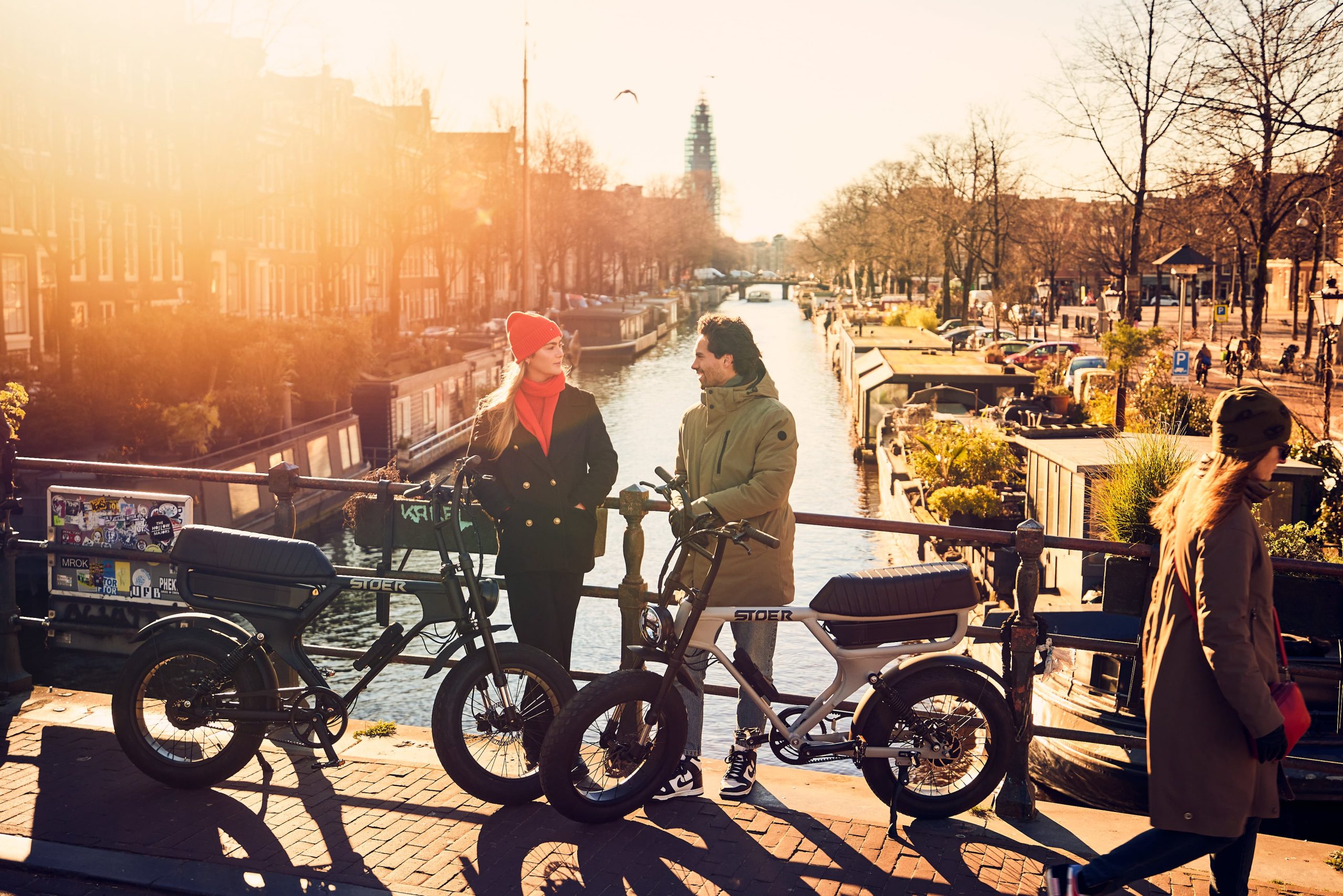
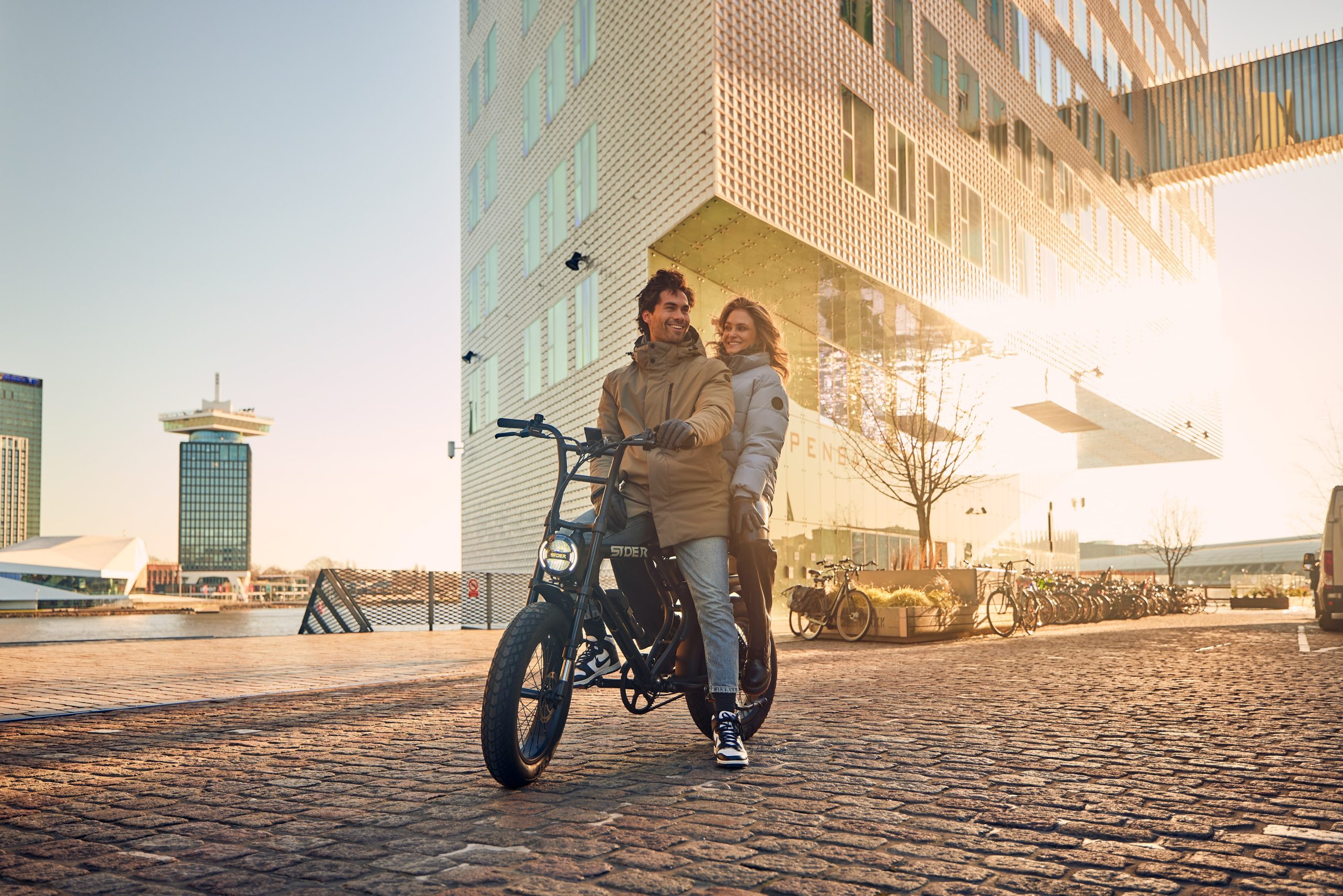
Intended use: E-bikes are designed for general use and are often used for commuting, recreational cycling on paved roads and bike paths, and covering longer distances with pedal assistance. Fatbikes are specifically designed for adventure cycling and off-road riding. They thrive on challenging terrain and are ideal for adventurers who enjoy exploring off-road trails, such as beaches, snow-covered paths, and unpaved trails. In the Netherlands, you also see fatbikes a lot more in cities and towns

Tire Characteristics: The tires of an e-bike are designed for efficiency on paved roads, so they are less wide and have less rolling resistance. A fatbike's wide tires offer significantly more stability and grip on uneven, soft or slippery surfaces. They float, so to speak, on top of soft terrain, making them well suited to sandy beaches or snowy roads.

Electric support: Both e-bikes and fatbikes can have electric pedal assistance. The difference lies in the intended use of this support. E-bikes with narrow tires are more focused on facilitating everyday cycling on paved roads, while e-fatbikes combine electric assistance with off-road capabilities for adventure riding.

Want to know even more about the differences? Then read the comprehensive blog On the differences between the e-bike and the e-fat bike.
Is the electric fatbike the future of e-mobility?

3. Laws and regulations surrounding fatbikes in the Netherlands.

The laws and regulations regarding fatbikes in the Netherlands can vary and are subject to change, so it is important to stay up-to-date with the latest information. However, here is an overview of the most important aspects of the current laws and regulations surrounding fatbikes in the Netherlands in 2023 and 2024:

  1. Definition as bicycle: Fatbikes are generally considered bicycles in the Netherlands, provided they meet specific criteria. These criteria include maximum engine power and maximum speed.
  2. Maximum speed and engine power: Electric fatbikes must typically meet the following specifications: Maximum speed of 25 kilometers per hour (km/h): A fatbike must not be able to travel faster than 25 km/h using the electric assistance. Motor power no higher than 250 watts: The power of the fatbike's electric motor should usually not exceed 250 watts.
  3. Traffic regulations: Although fatbikes have off-road capabilities, on public roads they must follow the same traffic rules as regular bikes. This includes respecting traffic lights, stop signs and other traffic regulations.
  4. Insurance and helmet requirements: Fatbikes are generally subject to the same insurance requirement as regular bikes. This means no mandatory liability insurance (third-party insurance) is required. However, there is no requirement to wear a helmet when riding a fatbike, unless required by local regulations.
  5. Use on unpaved trails and terrain: Fatbikes are ideally suited for use on unpaved trails and rugged terrain. They can be used on forest trails, sandy beaches, muddy trails and other off-road locations. However, it is important to respect natural areas and private lands and follow local rules and regulations regarding their use.

It is essential to understand that laws and regulations may vary by municipality and province, so it is advisable to consult local regulations and contact local authorities or agencies for specific information about fatbike use in specific locations. Always stay abreast of any changes in legislation to avoid problems while riding your fatbike in the Netherlands.

Is the electric fatbike the future of e-mobility?

4. The future of e-bikes and fatbikes

The future of e-mobility, with a specific focus on electric bicycles (e-bikes), looks promising and includes several trends and developments:

  1. Increase in popularity: E-bikes have gained significant popularity in recent years, and this trend is likely to continue. People are discovering the benefits of e-bikes, such as easier and faster commuting, healthy exercise, and reducing their carbon footprint.
  2. Diversification of e-bike models: Manufacturers are developing more and more e-bike models to meet different needs. These include city bikes, mountain bikes, electric folding bikes and even cargo e-bikes for transporting goods.
  3. Technological progress: The technology behind e-bikes continues to evolve, making them lighter, more powerful and more efficient. Improvements in battery capacity, motor technology and connectivity will further enhance the e-bike experience.
  4. Sustainability and Environment: With growing awareness of environmental and health issues, e-bikes will become increasingly attractive. They emit no harmful gases and help reduce traffic congestion and air pollution.
  5. Integration with public transportation: E-bikes are increasingly being integrated into public transport, allowing people to combine their journey by train, streetcar or bus with the use of an e-bike for the "last mile." This increases mobility options in urban areas.
  6. Improved infrastructure: Many cities are investing in creating better bike lanes and infrastructure, which improves the safety and attractiveness of e-bikes for commuters.
  7. E-bike sharing and rentals: E-bike-sharing services are gaining ground, allowing people without their own e-bike to easily use one for short trips, promoting mobility in urban areas.
  8. Price drops: With the continued development of mass production and technology, e-bikes are expected to become more affordable, making them more accessible to a wider audience.
  9. Regulation and safety: Governments are expected to continue to adjust regulations around e-bikes to ensure safety and regulate their use. This may include speed limits, helmet use and specific traffic regulations.

Overall, the future of e-mobility, with a focus on e-bikes, will be characterized by continued growth, technological improvements and greater integration into everyday life. E-bikes will play an important role in reducing traffic congestion, promoting sustainable mobility and encouraging healthier lifestyles.

Is the electric fatbike the future of e-mobility?

I would like to participate in sustainability, where can I buy an e-fatbike?

Electric fatbikes are more than just hype; they represent a lifestyle and offer a glimpse into the future of cycling. Whether you are an avid cyclist or looking for a more sustainable mode of transportation, an e-fatbike can be an excellent choice. You can buy electric fatbikes from a variety of places, including bike stores, online stores such as Vaneman Bikestore or specialty stores. Also check out the website of STOER Bikes for advice on buying an e-bike. It is always recommended to test the bike before you buy and inquire about warranty and maintenance options. Want to learn more about premium fatbikes? Then read the article from STOER Bikes about a fatbike with belt drive.